For pilgrims in Gilgit-Baltistan and northern Pakistan, the Umrah journey starts long before the flight to Jeddah or Madinah. First you have to get out of the mountains. That can mean a long drive on the Karakoram Highway, a weather-dependent flight from Skardu or Gilgit, or a seasonal road over Babusar Top. Any of these can add days to your plan if you don’t prepare for it.
This guide covers what pilgrims from the north need to plan for: getting down to Islamabad on time, preparing your body for the shift from cold mountain air to the heat of Makkah, packing, budgeting, and the spiritual preparation that sits at the heart of the journey. If you are comparing Umrah Packages 2027, reading this first will help you pick one that fits your real travel conditions.
Start Your Umrah Travel Preparation Early
Good Umrah Travel Preparation matters more when you live far from an international airport. Pilgrims from Hunza, Skardu, Ghizer, Astore, or Chitral usually need extra time for paperwork and travel to the city.
Start with your passport. If it is close to expiry, renew it early at your regional passport office, because processing and travel to the office both take time. Then confirm your visa process, flight details, hotel booking, and transport plan for Makkah and Madinah. Keep printed and digital copies of everything in one folder.
A simple checklist keeps this manageable. Split it into four parts: documents, luggage, money and health, and spiritual goals.
Plan Your Journey from the North to the Airport
This is the step most general Umrah guides skip, and the one most likely to cost pilgrims from the north their flight.
Build in buffer days. Do not plan to reach Islamabad on the same day as your international departure. Aim to arrive in Islamabad or Rawalpindi at least one to two days early.
Know your route’s risks:
- Karakoram Highway (KKH): Landslides and road blockages can stop traffic for hours or longer, especially during monsoon and snowmelt periods.
- Babusar Top route: This is a seasonal road that closes in winter. Don’t count on it outside the summer months.
- Skardu and Gilgit flights: Domestic flights from the north depend heavily on weather, and cancellations are common. Keep a road option ready as a backup.
Travelling as a family or group? Agree on one meeting point in Islamabad and one departure time. Make sure every member has the group leader’s number saved.
Focus on Spiritual Preparation for Umrah
Travel logistics matter, but Spiritual Preparation for Umrah is the centre of the journey. Use the weeks before departure to make your intention clear and sincere.
Give more time to Quran recitation and dua. Learn the meaning behind each ritual so that every step of your Umrah feels purposeful rather than mechanical. Make dua for an accepted Umrah, and ask Allah for patience. Crowds, heat, and long walks will test it.
You don’t need a demanding routine. A small, consistent daily practice will prepare your heart better than an ambitious plan you can’t keep up.
Learn the Rituals: A Practical Umrah Preparation Guide
A useful Umrah Preparation Guide covers both the rituals and the practical details. Before departure, learn:
- Ihram: its conditions, and where you enter it (the Miqat)
- Tawaf: seven circuits around the Kaaba
- Sa’i: seven rounds between Safa and Marwa
- Halq or Taqsir: shaving or trimming the hair to complete Umrah
Knowing the order in advance makes a first Umrah far less confusing. It is also worth attending a pre-departure session with a local scholar or your group leader.
Prepare Your Body: From Mountain Cold to Makkah Heat
Pilgrims from northern Pakistan face a physical challenge that pilgrims from the plains don’t: a sharp climate shift. You may leave near-freezing temperatures in Gilgit-Baltistan and arrive in Makkah, where daytime temperatures regularly pass 40°C in the warmer months.
Prepare for it:
- Walk daily before your trip. Mountain residents are often strong walkers, but walking long distances on flat marble floors in heat and crowds is different from walking on hill paths. Practise longer flat walks in the weeks before you leave.
- Hydrate deliberately. Many people from cold regions drink little water by habit. Build the habit of drinking regularly before you travel.
- Protect your feet. Break in comfortable footwear well before departure. Never take new shoes on the trip.
- Arrive rested. A two-day road journey followed by an overnight flight wears you out. Your Islamabad buffer days are also recovery days.
If you take regular medicine, carry enough for the whole trip plus extra in case of delays, and keep it in your hand luggage. Check the current Saudi health and travel requirements before departure.
Pack for Two Climates
Your luggage has to work for cold weather at home and on the road, and for heat in Saudi Arabia.
Essentials:
- Ihram (two sets if possible) and modest, breathable clothing
- A warm layer for the road journey and air-conditioned spaces
- Broken-in, comfortable footwear
- Personal hygiene items (unscented, for the Ihram period)
- Medicines and any prescriptions
- Passport, visa, tickets, and hotel confirmations in your hand luggage
- Phone, charger, and power bank
- A written list of key contacts and your hotel addresses
Check your airline’s baggage rules for both your domestic and international flights. Keep your bags light, because you will carry them through several transfers.
Use an Umrah Travel Guide for Arrival
A good Umrah Travel Guide covers what happens after you land, too. Before you leave, find out how you will get from the airport to your hotel, how far the hotel is from the Haram, and how transfers between Makkah and Madinah work.
Save your hotel’s address and phone number on your phone and keep a written copy. Delays at airports and in traffic are normal. A flexible mindset will serve you better than a rigid schedule.
Build a Realistic Umrah Planning Guide and Budget
A practical Umrah Planning Guide has to count costs that city pilgrims don’t face. Your budget should include:
- Road travel or domestic flights from the north to Islamabad
- One or two nights’ stay in Islamabad or Rawalpindi
- International flights
- Accommodation in Makkah and Madinah
- Local transport
- Meals and refreshments
- Communication (a local SIM or roaming)
- Personal shopping
- An emergency fund for weather delays, rebooking, or medical needs
That last item matters more for northern pilgrims than for most, because a single road closure can mean an extra night’s stay or a changed ticket.
Choose Your Travel Arrangements Carefully
Look past the headline price. Compare hotel distance from the Haram, transport quality, flight timings, length of stay, and exactly what each package includes. Staying close to the Haram makes a real difference for elderly pilgrims and families with children.
Ask one question that matters especially for travellers from the north: will the operator help if a road closure or cancelled domestic flight makes you late? Flexible rebooking or date-change terms are worth paying for.
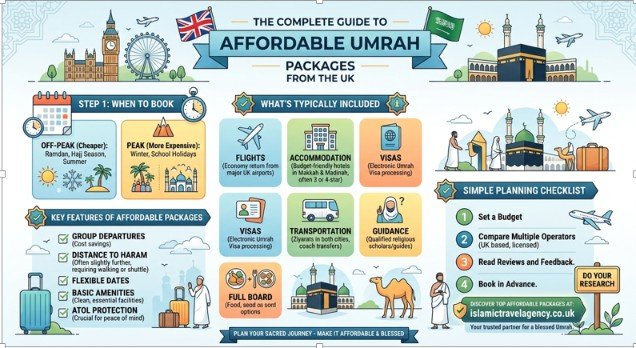
When you explore low-cost Umrah Packages, compare the full list of services, not just the price. The cheapest option is not always the best value. Specialist operators such as Cheap Umrah Packages can take you through package details, inclusions, and budget options before you book.
Keep Your Journey Calm and Organised
Even a well-planned journey will have delays, and pilgrims from the north should expect a few of them before they even reach the airport. Build slack into every stage: the road, the airport, transfers, and hotel check-in. Leave time for rest and meals rather than filling every hour.
When crowds or delays test your patience, return to your purpose. A calm, humble attitude keeps your focus on worship.
Keep Your Spiritual Goals at the Centre
As your departure gets closer, it is easy to let tickets and bookings take over. They matter, but worship is why you are going.
Use your final days at home for Quran recitation, dua, and seeking forgiveness. Settle any matters with family and neighbours before you leave. Keep your intention sincere. Patience will carry you through the heat, the crowds, and the long walks, and help keep your Umrah close to its purpose.
Conclusion
Preparing for Umrah in 2027 from Gilgit-Baltistan or northern Pakistan takes a little more planning than it does from a major city. Start your paperwork early, build buffer days for mountain roads and weather-dependent flights, prepare your body for the jump from cold to heat, and pack for both climates.
Alongside the logistics, prepare your heart through Quran recitation, dua, and a sincere intention. Careful travel planning reduces stress, and spiritual preparation gives the journey its meaning.
FAQs
How early should pilgrims from Gilgit-Baltistan start planning Umrah?
Start several months ahead. Passport renewal, visa processing, and travel to the city all take longer from the north. Plan to reach Islamabad at least one to two days before your international flight.
What if my flight from Skardu or Gilgit is cancelled before my Umrah departure?
Flights from the north are weather-dependent, so always have a road backup and extra days in your plan. Choose a package with flexible date-change terms where possible.
How can I prepare my body for Makkah’s heat if I live in a cold region?
Walk regularly on flat ground before your trip, get into the habit of drinking water often, break in your footwear early, and rest well after the journey down from the mountains.
How can I prepare spiritually for Umrah?
Give more time to Quran recitation and dua, learn the meaning of each ritual, seek forgiveness, and keep your intention sincere.
What should I check when choosing an Umrah package?
Check the hotel’s distance from the Haram, transport quality, flight timings, length of stay, and all inclusions. Pilgrims from the north should also ask about flexibility if travel delays affect their departure.
Internal link suggestions for ND: Link “Karakoram Highway” to your KKH or road-conditions page, “Babusar Top” to its guide, and “Skardu” and “Gilgit” to their destination pillar pages. Those links do most of the work of anchoring this post in ND’s topical graph.