
Updated for the 2026 travel season. [08/13/2026]
10 Best Places to Visit in Skardu: Lakes, Forts, Deserts and Valleys
Skardu sits at roughly 2,200–2,500 metres in Gilgit-Baltistan, in the far north of Pakistan, at the meeting point of the Karakoram and western Himalayan ranges. It’s the usual starting point for trips into Deosai, Shigar, and Khaplu, and for expeditions toward K2. This guide covers the ten places most travelers use to plan a first Skardu trip — what each one actually involves, roughly how far it is, and the season it works best in.
Quick Facts: Visiting Skardu
- Region: Gilgit-Baltistan, northern Pakistan
- Elevation: approximately 2,200–2,500 m above sea level (figures vary slightly by source; [PH_ELEVATION_CONFIRM])
- Best time to visit: generally May to September/October, when most high-altitude sites including Deosai are accessible; conditions vary by year — check current advisories before travel
- Recommended stay: commonly 3–5 days to cover the main sites without rushing
- Getting there: flights from Islamabad take roughly 1 hour but are weather-dependent; the overland route via the Karakoram Highway typically takes 22–24 hours
- Getting around: private car or jeep with a driver is the standard way to move between sites; a 4×4 is generally required for Deosai and other unpaved routes
For a full seasonal breakdown, see the dedicated Best Time to Visit Gilgit-Baltistan guide. For flight-specific planning, see the Skardu flight schedule and fares guide.
In This Guide
1. Shigar Valley & Shigar Fort
Shigar Valley is generally reached from Skardu in under two hours by road, though published distances vary [PH_DISTANCE_SHIGAR — reconcile before publish]. The valley is best known for Shigar Fort, a centuries-old residence of a local Amacha ruler that has since been restored as a heritage guesthouse, giving visitors a way to see traditional Balti wood-and-stone construction up close rather than from behind a rope line. The surrounding valley is one of the greener parts of the Skardu area, with orchards and views toward the Karakoram foothills.
- Distance from Skardu: Roughly 22–35 km, about 45–60 minutes by road
- Good for: heritage architecture, half-day or overnight trip, families
- Season note: accessible year-round, though winter mornings are cold
2. Khaplu Valley, Khaplu Fort & Chaqchan Mosque
Khaplu sits along the Shyok River and is generally the furthest of the valley day trips covered here, at roughly [PH_DISTANCE_KHAPLU — ND’s own site shows figures in the 96–108 km range] from Skardu. The main draws are Khaplu Fort (also called Yabgo Khar), a former royal residence now run as a heritage hotel, and the nearby Chaqchan Mosque, one of the oldest mosques in Baltistan, dated to around 1370 CE and built with the wooden joinery typical of the region rather than stone or brick construction.
- Distance from Skardu: roughly 95–110 km
- Good for: history, architecture, a full-day or overnight trip
- Season note: generally accessible year-round; winter travel times can run longer
3. Manthokha Waterfall
Manthokha is one of the tallest waterfalls in the region, generally cited at around 180 feet, located in the Kharmang Valley east of Skardu. It’s fed by glacial meltwater, so the flow stays fairly constant through the travel season. There’s a small restaurant nearby serving local trout, and the surrounding grassy patches are commonly used for casual picnics or camping in warmer months.
- Distance from Skardu: roughly 60–80 km
- Good for: photography, picnics, half-day trip
- Season note: most comfortable May–September; road conditions can be affected by monsoon runoff in July–August
4. Katpana Cold Desert
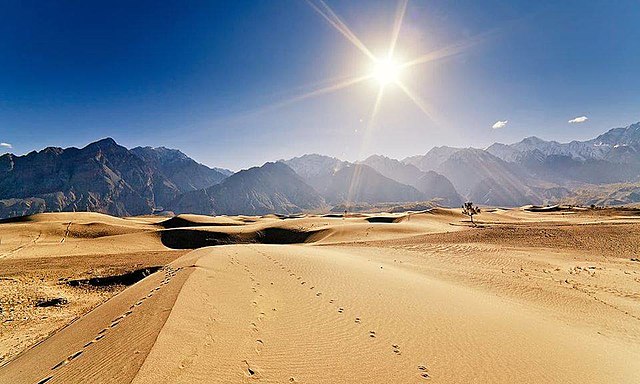
Katpana is one of the highest-altitude cold deserts in the world — sand dunes set directly against snow-capped peaks, roughly 7–15 km from Skardu depending on the starting point (commonly measured from the airport side of town). Camel rides and short dune walks are the usual activities. Temperatures here swing widely: summer days can be warm, but nights and winter conditions drop well below freezing, so this isn’t a destination where “desert” means “always hot.”
- Distance from Skardu: roughly 7–15 km, depending on the starting point
- Good for: photography, a short standalone trip or combined with nearby lakes
- Season note: visitable year-round; dunes are snow-covered in winter
5. Deosai National Park

Deosai is a high-altitude plateau averaging over 4,100 metres, often described locally as the “Land of the Giants.” It’s reached from Skardu by 4×4 in roughly 1.5–2 hours over an unpaved mountain road, generally around 30 km, via Sadpara Lake. Because the plateau sits well above 4,000 metres, mild altitude effects — headache, shortness of breath — are common even for otherwise healthy travelers, and local guides typically advise limiting exertion on arrival and carrying enough water and warm layers, since nights stay cold even in summer. The road into Deosai is generally only open from around early June through mid-October and closes with the first heavy snow; exact opening and closing dates shift year to year, so current-season access should always be confirmed before travel. Wildlife sightings, including the Himalayan brown bear, are possible but not guaranteed.
- Distance from Skardu: approximately 30 km to the park’s edge, extending to roughly 40–45 km further into the plateau.
- Good for: wide-open scenery, wildlife, jeep safaris, camping
- Season note: generally open early June–mid October only; access closes with snowfall
- Safety note: high-altitude effects are common; pace the first few hours and stay hydrated
6. Sheosar Lake
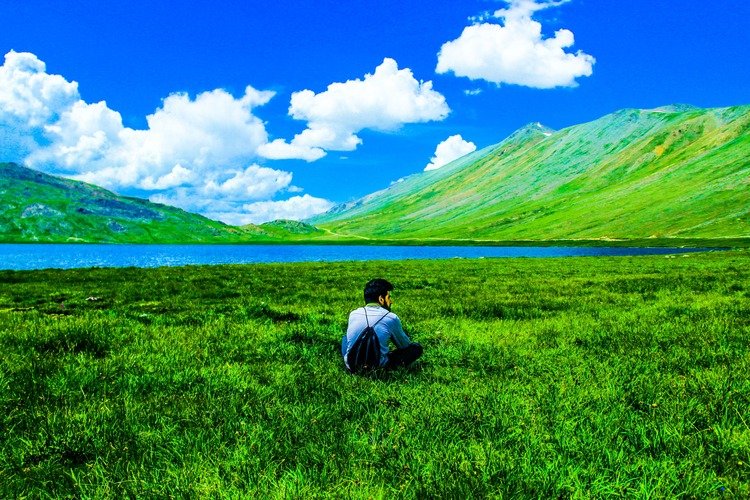
Sheosar Lake sits inside the Deosai plateau itself, so it’s reached as an extension of a Deosai trip rather than as a separate destination — visitors generally continue further into the plateau by jeep after entering from the Skardu or Astore side. The lake reflects the surrounding peaks clearly on calm days and is one of the more commonly photographed stops once travelers are already on the plateau.
- Distance: located within Deosai National Park, beyond the park’s main entry point
- Good for: photography, a stop within a Deosai day trip
- Season note: same access window as Deosai (generally June–October)
7. Satpara Lake
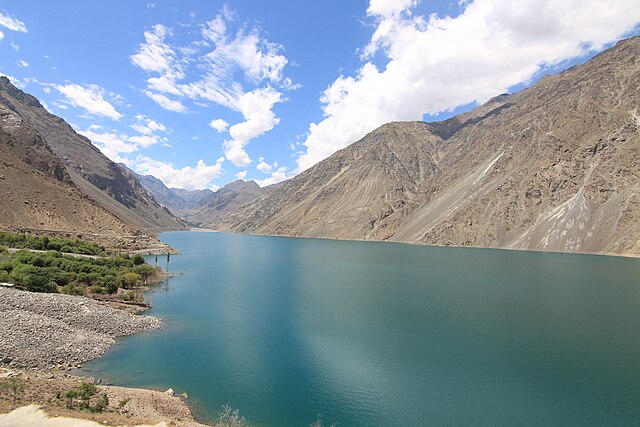
Satpara Lake sits roughly 8 km outside Skardu town and is the source of the city’s drinking water. It’s one of the easiest lake visits on this list — no 4×4 required — and a common stop for boating against a backdrop of bare granite peaks. It’s also on the direct route toward Deosai, so many travelers combine the two in one trip.
- Distance from Skardu: approximately 8 km
- Good for: boating, an easy half-day trip, families
- Season note: accessible year-round; may partially freeze in deep winter
8. Shangrila Resort & Lower Kachura Lake
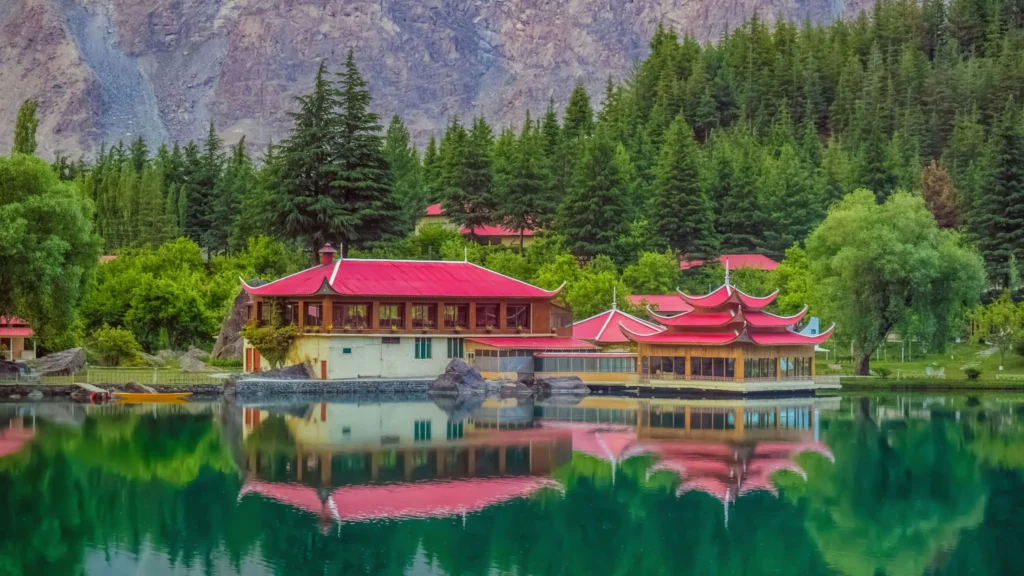
Lower Kachura Lake, generally known locally as Shangrila Lake, sits near Kachura village roughly 30 km from Skardu. The Shangrila Resort built beside it is one of the most photographed properties in the region, with its red-roofed buildings set right against the water. Boating and a lakeside walk are the standard activities here, and it’s an easy stop to pair with Upper Kachura Lake nearby.
- Distance from Skardu: approximately 30 km
- Good for: boating, an easy day trip, families
- Season note: most pleasant May–September
9. Upper Kachura Lake
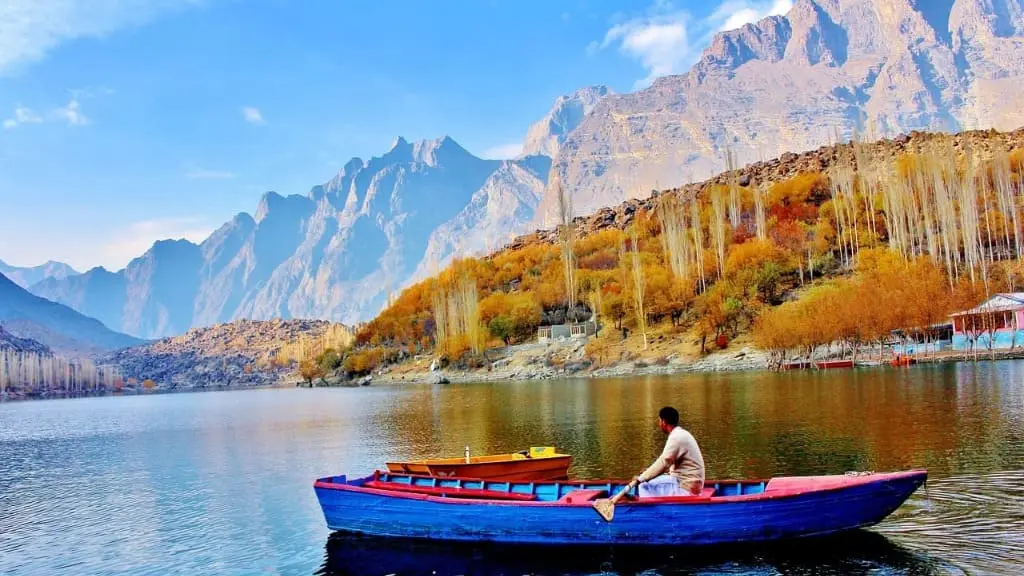
Upper Kachura Lake sits about 30 km north of Skardu, roughly 45 minutes by jeep, just above its better-known neighbor. It’s noticeably quieter than Lower Kachura, with fewer buildings and clearer, deeper turquoise water. Boating, short hikes, and fishing are the usual activities, and lodging near the lake itself is limited, so most visitors stay in Skardu or near Shangrila and treat this as a day trip.
- Distance from Skardu: approximately 30 km, around 45 minutes by jeep
- Good for: boating, hiking, quieter scenery than Lower Kachura
- Season note: most pleasant May–September; can freeze in winter
10. Kharpocho Fort
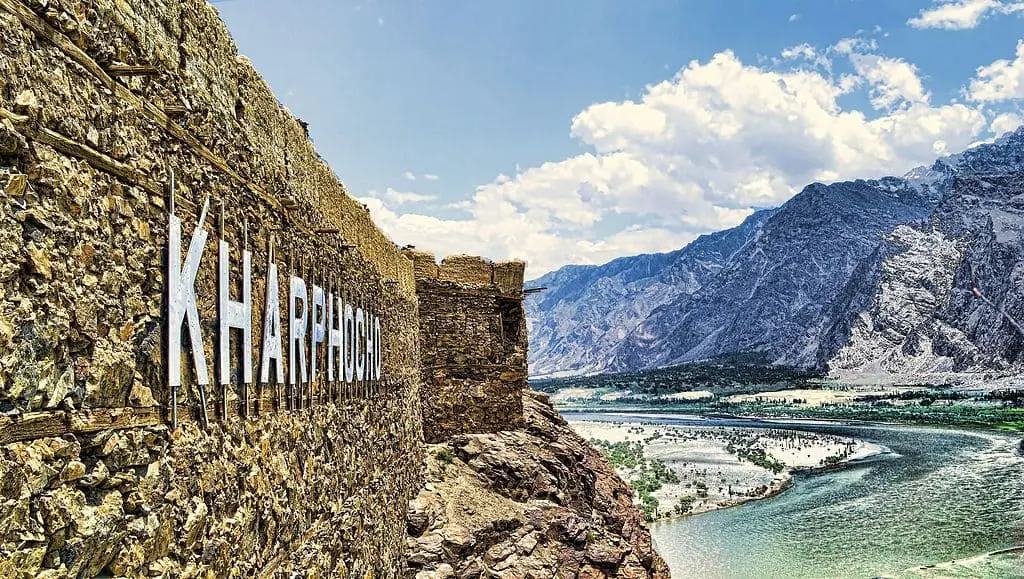
Kharpocho Fort — sometimes called Skardu Fort, and locally known as “the King of Forts” — sits on a hilltop directly above Skardu town and is visible from most of the city center. It’s generally reached on foot from the main bazaar, a walk commonly cited at around 15–20 minutes uphill. From the top, the fort overlooks the confluence of the Indus and Sadpara-fed waters, and the views over the valley are one of the more accessible payoffs on this list, since no vehicle or long drive is required.
- Distance from Skardu: within Skardu town; roughly a 15–20 minute walk from the main bazaar
- Good for: a quick half-day activity, city views, no vehicle needed
- Season note: accessible year-round; can be slippery in icy conditions
Planning Your Own Trip (Optional)
If you’d rather not piece together drivers, permits, and jeep transfers between these sites yourself, Northern Discover puts together Skardu and Deosai itineraries built around this exact list — including transport, timing that accounts for the Deosai access window, and honest guidance on which stops are worth a full day versus a quick stop. You can browse current Skardu tour packages or message us directly on WhatsApp with your dates.
Frequently Asked Questions
How many days do I need in Skardu?
Most travelers use 3 to 5 days to cover the main lakes, forts, and a Deosai day trip without rushing. Adding Khaplu or a Deosai overnight typically pushes this closer to a week.
What is the best time of year to visit Skardu?
Generally, May through September or October is the main travel window, when Deosai and other high-altitude sites are open. Exact opening and closing dates for the Deosai road shift year to year, so it’s worth checking current conditions close to your travel dates.
How do I get around Skardu once I’ve arrived?
A private car or jeep with a driver is the standard way to move between sites in and around Skardu town. For Deosai and other unpaved routes, a 4×4 is generally required.
Is Skardu safe to visit?
Skardu is generally considered one of the safer regions in Pakistan for tourism, though as with any mountain destination, road and weather conditions matter more than personal safety concerns for most travelers. Checking current advisories before high-altitude trips like Deosai is a sensible precaution.
What is Skardu known for?
Skardu is generally known for its high-altitude lakes (Satpara, Upper and Lower Kachura), the Deosai plateau, historic forts including Kharpocho and Shigar Fort, and the Katpana cold desert — plus its role as the usual gateway for expeditions toward K2.
Which places on this list are suitable for families with young children?
Satpara Lake, Shangrila/Lower Kachura Lake, Kharpocho Fort, and Katpana Desert generally don’t require off-road driving and can work well as half-day family stops. Deosai and Sheosar Lake involve altitude and rough roads, so they’re a better fit for families with older children or teens.
How far is Deosai National Park from Skardu?
Deosai is generally reached from Skardu in roughly 1.5 to 2 hours by 4×4, over an unpaved mountain road. The park is only accessible while the road is clear of snow, generally from early June through mid-October.
“As a family of adventurers, we were thrilled to find this guide. The suggestions for family-friendly activities and accommodations were perfect. We created memories that will last a lifetime. Thank you for sharing your local knowledge!”
This guide was a lifesaver! We were unsure about where to stay or what to do in Skardu, but this post cleared everything up. We had an unforgettable experience thanks to your recommendations.
Great guide! This was incredibly helpful for planning our family trip to Skardu Valley. The recommendations were spot on, and we had an amazing time. Thanks for sharing your local insights!