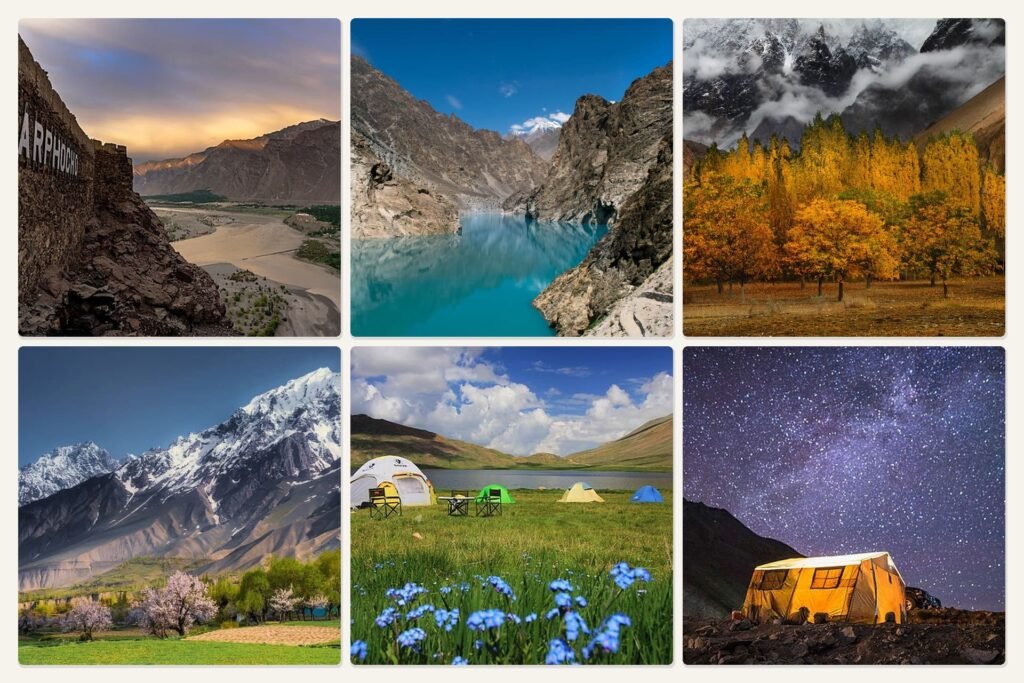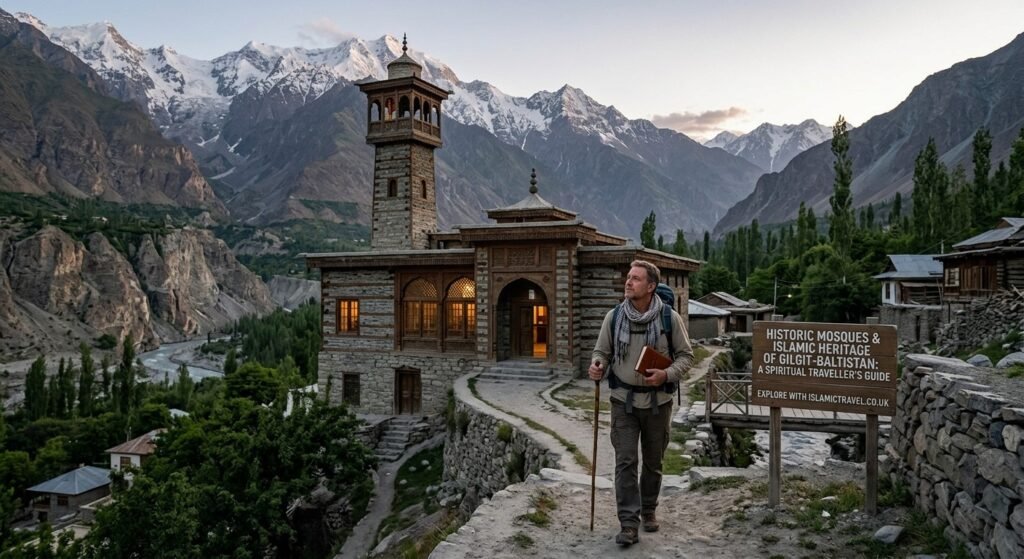
High among the peaks of the Karakoram, where glacial rivers carve through ancient valleys, Gilgit-Baltistan holds a quieter treasure alongside its famous mountains. Scattered across Skardu, Shigar, Khaplu and the surrounding valleys are centuries-old mosques, shrines and khanqahs that tell the story of how Islam reached these remote highlands. For the traveller who seeks meaning as well as scenery, this region offers a journey for the soul as much as the eyes.
This guide explores the most remarkable Islamic heritage sites of Gilgit-Baltistan and what makes them so special. It is written for thoughtful travellers, including the many British Muslims who love exploring Islamic history and who often combine such trips with wider faith journeys, from northern Pakistan to booking UK Umrah packages for the sacred pilgrimage to Makkah. Wherever your travels take you, the mosques of these mountains are well worth discovering.
How Islam reached the northern valleys
Islam arrived in Gilgit-Baltistan gradually, carried along the ancient trade routes that linked Central Asia, Kashmir and the Indian subcontinent. From roughly the fourteenth century onwards, travelling preachers and Sufi saints made their way through these valleys, and their influence shaped the spiritual life of the region for generations.
The most celebrated of these was Mir Sayyid Ali Hamadani, a Persian scholar and saint whose journeys through Kashmir and Baltistan left a lasting mark. The distinctive wooden mosques of the region, with their Kashmiri and Tibetan architectural influences, are part of his legacy. Understanding this history brings each site to life, turning a simple visit into a meaningful encounter with the past.
Amburiq Mosque: the oldest in Baltistan
Tucked away in Shigar Valley, the Amburiq Mosque is widely regarded as the oldest mosque in Baltistan, dating back around 700 years. It is attributed to the influence of Mir Sayyid Ali Hamadani and his followers, who introduced both Islam and a refined style of woodcraft to the region.
The mosque is small and modest, built from stone and timber, yet its carved wooden pillars and quiet dignity speak volumes. Restored with care in recent years, it stands as a reminder of how faith took root in these mountains. Standing inside, you can almost feel the centuries of prayer that have passed through its humble walls.
Khanqah-e-Mualla in Khaplu
The Khanqah-e-Mualla in Khaplu is one of the finest examples of the region’s religious architecture. A khanqah is a place of Sufi gathering and worship, and this one showcases the beautiful blend of styles that makes Baltistan’s heritage so distinctive. Its wooden façade, intricate carvings and peaceful setting against a mountain backdrop make it a favourite among visitors.
Khaplu itself, once the seat of a princely state, is rich in history. The nearby Khaplu Palace and the surrounding old town add to the sense of stepping back in time. For travellers interested in Islamic art and architecture, this corner of Gilgit-Baltistan is a genuine highlight.
Chaqchan Mosque: the miraculous mosque
In the heart of Khaplu stands the Chaqchan Mosque, whose name means “the miraculous.” Founded in the late fourteenth century, it is one of the oldest and most storied mosques in the region. Its architecture is a striking fusion of Tibetan, Mughal and Persian influences, reflecting the many cultures that met along these mountain routes.
The mosque has served the community for over 600 years, and its survival through the centuries is remarkable in itself. Its ornate wooden interior and layered history make it one of the most rewarding stops for anyone tracing the Islamic heritage of Baltistan.
Planning a heritage-focused journey
Visiting these sites takes a little planning, as they are spread across different valleys. Most travellers base themselves in Skardu, which is well connected by air and road, and take day trips out to Shigar and Khaplu. Here are a few practical tips for a smooth and respectful visit:
- Dress modestly, as these are active places of worship. Loose clothing and a head covering for women are appreciated.
- Visit outside prayer times where possible, or join respectfully if you are Muslim.
- Ask before photographing people or interiors, as courtesy goes a long way.
- Hire a local guide, who can share the stories and history that bring each site alive.
The best months for travel are generally between April and October, when the roads are clear and the weather is kind. Many faith-minded travellers who make this journey also plan larger pilgrimages in the same year, and those comparing good value Umrah 2027 packages often find it helpful to organise their spiritual travel calendar well in advance, balancing a heritage trip through northern Pakistan with the pilgrimage to the Holy Cities. A little forward planning lets you savour both without feeling rushed.
Beyond the mosques: shrines and sacred spaces
The Islamic heritage of Gilgit-Baltistan extends beyond its mosques. Across the valleys you will find the shrines of revered saints and scholars, still visited by locals seeking blessings and peace. These sites are woven into the daily rhythm of village life, and visiting them offers a window into the living faith of the region.
The people of Gilgit-Baltistan are known for their warmth and hospitality. Many travellers find that a simple conversation with a local elder, shared over a cup of salt tea, teaches them more about the region’s spiritual life than any guidebook could. These human connections are often the most treasured memories of the trip.
Why this journey stays with you
There is something profound about worshipping or reflecting in a mosque that has stood for 600 or 700 years, surrounded by some of the highest mountains on earth. The scale of the landscape and the quiet endurance of these sacred buildings put life into perspective. For Muslim travellers especially, it is a reminder of how far the message of Islam travelled, reaching even these remote highlands and taking root so deeply.
Combining natural beauty with spiritual reflection makes Gilgit-Baltistan a rare kind of destination. You can spend the morning gazing at turquoise lakes and snow-capped peaks, and the afternoon in silent contemplation within an ancient mosque. Few places on earth offer both so generously.
Frequently asked questions
What is the oldest mosque in Gilgit-Baltistan?
The Amburiq Mosque in Shigar Valley is generally considered the oldest in Baltistan, dating back roughly 700 years and linked to the influence of Mir Sayyid Ali Hamadani.
Can non-Muslims visit these mosques?
Yes, respectful visitors of all backgrounds are usually welcome, especially outside prayer times. Dressing modestly and asking permission before entering or photographing is always appreciated.
When is the best time to visit for a heritage trip?
The months from April to October offer the most reliable weather and open roads, making travel between the valleys far easier and more comfortable.
How do I get to Skardu?
You can fly from Islamabad to Skardu in around an hour, or travel by road along the Karakoram Highway, which takes considerably longer but offers spectacular scenery.
Final thoughts
Gilgit-Baltistan is celebrated the world over for its mountains, yet its Islamic heritage deserves just as much attention. The ancient mosques of Amburiq, Chaqchan and the khanqahs of Khaplu are living reminders of a rich spiritual history, waiting quietly for travellers willing to seek them out.
Whether you are drawn by history, architecture or faith, a heritage journey through these valleys leaves a lasting impression. Plan thoughtfully, travel respectfully, and take time to sit with the silence of these sacred places. In a fast-moving world, the timeless peace of the northern valleys is a gift worth travelling for.