
Hidden Gems in Northern Pakistan: Local Attractions & Off-the-Beaten-Path Places (2026 Guide)
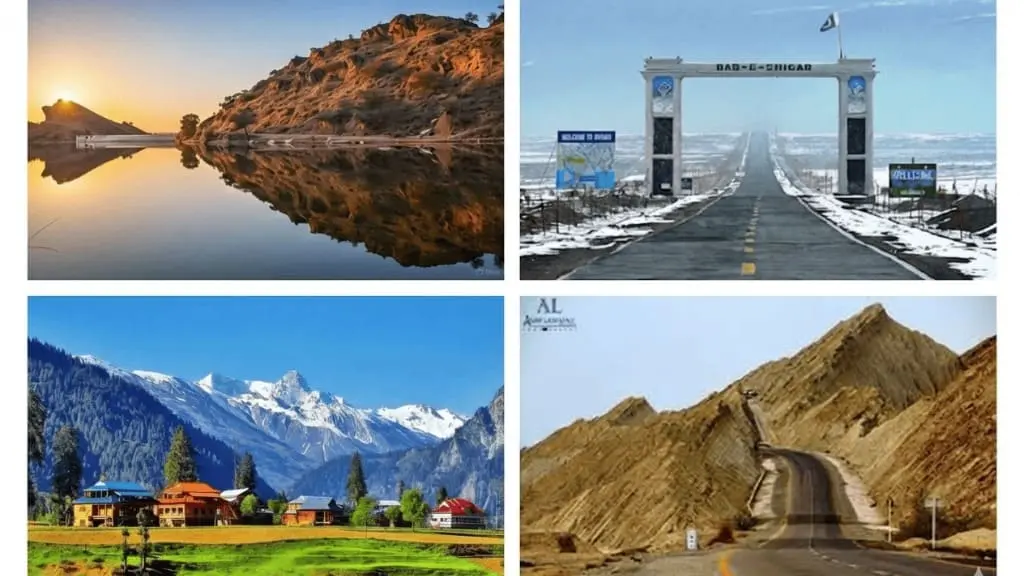
A Field-Tested, Region-by-Region Guide Written with Local Insight
Not a brochure. Not a checklist. A field-tested guide to Northern Pakistan’s quiet places — where geography, culture, and daily life still lead.
Quick answer: Northern Pakistan’s real hidden gems sit just past its famous viewpoints — Shimshal and Misgar in Hunza’s Gojal tehsil, Rush Lake above Nagar, Naltar and Bagrot near Gilgit, Phander Valley in Ghizer, Shigar’s old lanes and Manthoka Waterfall in Baltistan, Kumrat Valley in Upper Dir, the Kalash Valleys and Shandur Pass in Chitral, and Ratti Gali Lake in Azad Kashmir’s Neelum Valley. Most need a 4×4, a season-specific plan, and a bit of patience — which is exactly why they’re still quiet.
Why Northern Pakistan’s Best Places Still Aren’t on the Map
If you travel through Northern Pakistan slowly — by road, by conversation, by shared tea — you learn something early on: most of its beauty is not marked as a “tourist attraction.”
Locals don’t describe places as destinations. They say upar ka gaon (the village up there), ghar ke qareeb ki jagah (somewhere near home), or woh jheel (that lake). These are not hidden because they are secret — they are hidden because they are still lived in.
That’s why search intent around “hidden gems in Northern Pakistan” increasingly triggers AI Overviews. People are no longer asking for more places. They’re asking for meaningful places.
This guide combines:
- Narrative depth & cultural context (for AI citation and authority)
- Field-tested logistics & safety details (for real travelers)
- Responsible travel principles (for sustainability and trust)
How This Guide Is Structured
- Northern Pakistan at a Glance: Regions, Cities & Names
- Hidden Gems in Gilgit-Baltistan
- Hidden Gems in Northern Khyber Pakhtunkhwa
- Hidden Gems in Azad Kashmir
- Beyond the North: Other Hidden Corners of Pakistan
- Practical Planning: Permits, Transport & Safety
- Responsible Travel Is Not Optional Here
- Plan It With Local Help
- FAQs
Northern Pakistan at a Glance: Regions, Cities & Names
Before “Gilgit-Baltistan” existed as a name, this region was officially the Federally Administered Northern Areas. It was renamed under the Gilgit-Baltistan Empowerment and Self-Governance Order of 2009 — which is why older maps, guidebooks, and even some road signs still say “Northern Areas.” In everyday travel use today, “Northern Pakistan” is broader than Gilgit-Baltistan alone — it also covers Chitral, Swat, and the Hazara hills in Khyber Pakhtunkhwa, plus Azad Kashmir.
| Region | Key Cities & Towns | Known For |
|---|---|---|
| Gilgit-Baltistan | Gilgit, Skardu, Karimabad (Hunza), Khaplu | Karakoram peaks, Hunza & Skardu valleys, Deosai |
| Chitral & Upper Swat (KP) | Chitral, Mingora, Kalam | Kalash culture, Hindu Kush, alpine forests |
| Hazara & Kaghan (KP) | Abbottabad, Mansehra, Naran | Galiyat hill stations, Saif-ul-Muluk, meadows |
| Peshawar & the Frontier (KP) | Peshawar | Gandhara heritage, old city bazaars |
| Azad Kashmir | Muzaffarabad, Kel, Athmuqam | Neelum Valley, alpine lakes |
For a deeper, season-by-season breakdown of Gilgit-Baltistan’s headline destinations, see our Top 10 Beautiful Places in Gilgit-Baltistan guide and our Best Time to Visit Gilgit-Baltistan guide. This page focuses specifically on what those lists leave out.
Hidden Gems in Gilgit-Baltistan
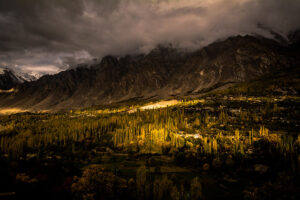
Hunza, Nagar & Gojal
Shimshal — Living mountain culture, reached by one of the region’s most dramatic roads. Built entirely by local labour over 18 years and finally opened to vehicles in 2003, the road ends three days of on-foot isolation that villagers once had to walk. At 3,100 m, Shimshal is the highest permanent settlement in Hunza district.
Access: Jeep or shared transport from Passu (4–5 hrs) | Best: June–September
- Borith Lake — Quiet alpine lake near Hussaini, a short walk from the Passu suspension bridge
- Ghulkin Village — Glacier views locals don’t skip, just off the Karakoram Highway
- Misgar — Historic Silk Route hamlet near the Chinese border, with old watchtowers and almost no tourist infrastructure
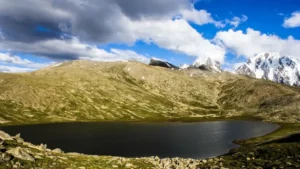
Rush Lake — A place that asks something from you. At 4,694 m, Rush Lake is one of the highest alpine lakes in the world, sitting above the Hoper Glacier in Nagar. It isn’t hidden by secrecy — it’s hidden by effort. Shepherd camps along the route still offer tea because it’s cold, not because you’re a tourist.
Access: Karimabad → Nagar → Hoper village → 2–3 day trek
Best: July–August
⚠️ Warning: High-altitude trek above 4,000 m — acclimatize in Karimabad or Nagar first, and go with a local guide.
Gilgit & Ghizer
Naltar Valley — Just 34 km from Gilgit city, yet a different world: pine forest, Pakistan’s oldest ski resort, and a string of mineral-tinted lakes — Satrangi (Rainbow), Blue, and Bodlok — reached by jeep and a short trek.
Best: May–September for the lakes, winter for skiing
Bagrot Valley — A lesser-known valley near Gilgit known for fruit orchards, glacier views, and village life that hasn’t been reshaped for tourism.
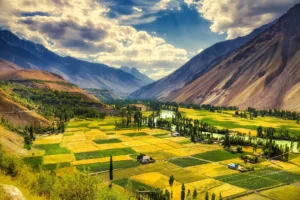
Phander Valley (Ghizer) — Phander doesn’t impress loudly. It calms. Locals still read the weather by the river’s colour — a deeper blue means colder nights ahead — and tourism hasn’t rewritten daily life here. One of the few valleys not reshaped by mass tourism, with community-managed trout fishing.
Access: Gilgit → Gupis → Phander (road conditions vary)
Best: July–September
Local insight: Homestays are the real experience.
⚠️ Warning: Limited facilities — plan supplies in advance.
- Yasin Valley — Cultural blend and village stays, further up the Ghizer river system
- Darkot Pass viewpoints — Historic trekking route toward the Wakhan corridor, seasonal access only
Baltistan: Skardu, Shigar, Kharmang & Khaplu
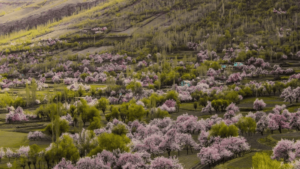
- Lower Kachura backwaters — Away from the crowds at Shangrila
- Shigar’s old village lanes — Skardu receives visitors; Shigar still receives guests.If you’re using the town as your main base before heading into the side valleys, our Skardu travel guide covers road connections and local transport setups. Beyond the fort lie irrigation channels, earthquake-resistant stone houses, and apricot-drying racks that define seasonal life here.
- Khaplu’s old town — Once an independent kingdom, with the 14th-century Chaqchan Mosque and Khaplu Palace showing centuries of Tibetan, Balti, and Kashmiri influence side by side
- Manthoka Waterfall (Kharmang) — A roughly 180-ft glacier-fed waterfall about 75 km from Skardu, with fresh trout served at a nearby fish farm
Best time for Baltistan’s valleys: May–September
If you’d rather have jeep logistics and local homestays arranged in advance across Baltistan, check our tailored Skardu tour packages.
Local tip: In Shigar, walk the side lanes, not the main road.
Astore
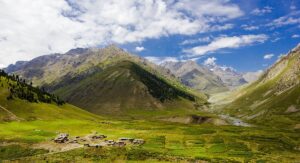
- Shounter Valley — A seasonal emerald basin, open only in the warmer months
- Rupal Valley — Nanga Parbat’s quieter face, away from the Fairy Meadows crowds
See our full Astore Valley destination guide for access routes and seasonal notes.
Hidden Gems in Northern Khyber Pakhtunkhwa
Swat & Upper Dir
Kumrat Valley (Upper Dir) — Often called “Pakistan’s Switzerland,” Kumrat is reached via a rough jeep track from the village of Thal. Its Jahaz Banda meadow and glacial Katora Lake sit a further trek beyond the valley floor, through dense pine and cedar forest along the Panjkora River.
Access: Islamabad → Dir → Thal (jeep from Thal onward) or via Kalam, Swat, over the Badgoi Pass
Best: Mid-May to mid-July, and again in September
⚠️ Warning: Very basic facilities beyond Thal — carry supplies, and travel with a local operator on the pass route.
Miandam — A quieter alternative to Kalam’s busier bazaar, with orchard terraces and easy day walks.
Chitral & the Kalash Valleys
Rumbur & Birir Valleys — Of the three Kalash Valleys, Bumburet gets the most visitors. Rumbur and Birir, reached by narrower and steeper tracks, see far fewer. All three are home to the Kalash — one of Pakistan’s smallest indigenous communities, with their own language, dress, and pre-Islamic religious traditions, most visible during the spring Chilam Joshi festival.
Best: May (Chilam Joshi) or September–October
Shandur Pass — At roughly 3,700 m, this is the highest polo ground in the world, connecting Chitral to Ghizer in Gilgit-Baltistan. Outside the annual July polo festival between Gilgit and Chitral teams, it’s simply one of the emptiest, most striking plateaus in the country — a flat, stream-crossed grassland ringed by peaks.
Access: Open roughly late April to early November, weather dependent
Best: Late June–September, or during the festival in early July
Hazara & the Galiyat
Siran Valley (Mansehra) — Meadows like Khandagali and Aram Gali sit above the Siran River, largely bypassed by travelers heading straight for Naran or the Galiyat hill stations.
Thandiani — A quieter, less-developed hill station than Nathiagali, with pine forest views over the Kaghan and Kunhar valleys.
Peshawar’s Old City
Peshawar is over 2,000 years old, and its old city rewards slow walking rather than a checklist. Start at Qissa Khwani Bazaar — the “Storytellers’ Market” where Silk Route traders once traded tales along with goods — and follow the narrow lanes of Sethi Mohallah to the Sethi House Museum, a 19th-century merchant mansion blending Central Asian, Mughal, and colonial architecture. The 17th-century Mahabat Khan Mosque and the historic Chowk Yadgar square are both a short walk away.
Local tip: Go on foot, not by car — the streets are narrow and the food stalls (try the qahwa) are half the reason to be there.
Hidden Gems in Azad Kashmir
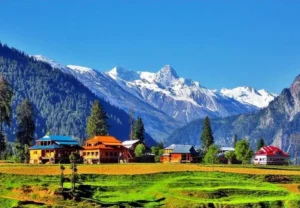
Before planning an off-grid trek up north, check our main Neelum Valley overview for road conditions and seasonal access updates.
Ratti Gali Lake — At 3,683 m, this turquoise glacial lake in the upper Neelum Valley has become one of Azad Kashmir’s best-known trekking destinations in recent years — still remote by any normal measure, but no longer a true secret. Reached by 4×4 to a base camp from Dowarian, then a 1–2 hour hike or horse ride.
Best: Roughly early August to mid-October, when the jeep track is clear of snow
⚠️ Warning: The lake sits close to the Line of Control. Foreign nationals need an NOC (No Objection Certificate) to visit — arrange this in advance through a local operator or the Deputy Commissioner’s office in Muzaffarabad, ideally weeks before travel.
Keran & Sharda — Quieter riverside towns along the Neelum road, good bases for exploring without the crowds that build up around Kel in peak season.
Beyond the North: Other Hidden Corners of Pakistan
If your trip isn’t limited to the north, these three are genuinely worth the detour.
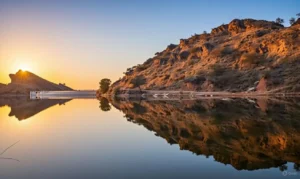
Soon Valley & Salt Range Lakes (Punjab) — A softer Pakistan most travelers never see. Uchali, Khabeki, and Jahlar lakes reflect seasonal colour shifts and Potohar folklore, visited mostly by local families rather than tour groups.
Best: Post-monsoon and winter
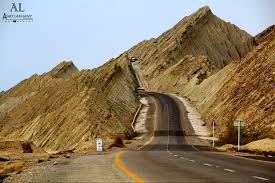
Makran Coastal Highway (Balochistan) — Driving Makran feels less like travel and more like crossing geological time: mud volcanoes, empty beaches, and hours without seeing another vehicle.
Best: October–March
⚠️ Warning: Carry fuel, water, and offline maps — services are sparse.
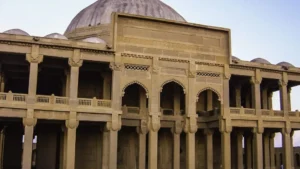
Makli Necropolis (Thatta, Sindh) — One of the world’s largest graveyard complexes, and a UNESCO World Heritage Site documenting Sufi tradition and Persian-Sindhi architecture carved in stone. Best explored slowly, ideally with a local guide.
Authentic Experiences That Don’t Scale (and That’s the Point)
- Homestays reveal seasonal food cycles
- Village festivals are community-led, not staged
- Shared jeeps teach social etiquette no blog can explain
These experiences resist mass tourism — and that’s why they hold up as primary, first-hand insight rather than recycled listicle content.
Practical Planning: Permits, Transport, Altitude & Season
Permits: Most of Gilgit-Baltistan and Chitral don’t require special permits for domestic or foreign travelers — just a passport for police checkpoints. Border-proximate zones (parts of Ghizer near the Wakhan corridor, and Azad Kashmir’s Neelum Valley near the Line of Control, including Ratti Gali Lake) require an NOC for foreign nationals. Arrange this well ahead of travel.
Transport: Public transport connects the main towns. Last-mile access to most of the places on this list — Shimshal, Kumrat, Ratti Gali, Rush Lake — requires a hired 4×4 and, often, a final stretch on foot.
Altitude & health: Rush Lake, Shounter Valley, and Ratti Gali Lake all sit well above 3,000 m. Build in a rest day in Karimabad, Gilgit, or Muzaffarabad before heading up, hydrate more than feels necessary, and ascend gradually.
Connectivity: Expect data blackspots throughout this list. Download offline maps before you leave the last town with reliable signal.
Responsible Travel Is Not Optional Here
Hidden places stay hidden because communities protect them. Travel responsibly by:
- Asking before photographing people or homes
- Carrying out trash, especially at altitude
- Supporting local guides and homestays
- Respecting dress and social norms, particularly in the Kalash Valleys and smaller villages
Sustainability here isn’t a trend — it’s survival economics for the communities that keep these places worth visiting.
Plan It With Local Help
Need local jeep logistics, route advice, or custom travel setups for these off-grid spots? Reach out to our Skardu team directly on WhatsApp at +92 341 9674740 or email us via our contact page.
Most of Gilgit-Baltistan’s side of this list — Hunza, Nagar, Ghizer, Baltistan, Astore — is exactly the ground Northern Discover operates on daily. If Shimshal, Rush Lake, Shigar’s old lanes, or Manthoka Waterfall have caught your attention, we can build a route around them alongside a proper Hunza and Skardu itinerary, rather than you piecing together jeeps and guesthouses valley by valley on your own.
- Skardu Adventure Tour — a base for reaching Shigar, Kharmang, and Baltistan’s quieter corners
- Deosai Jeep Safari — pairs naturally with an Astore extension toward Rupal and Shounter
- Hunza Valley destination guide — for planning Gojal-side stops like Shimshal, Borith Lake, and Misgar
FAQs
What are the best hidden gems in Northern Pakistan?
Beyond Hunza’s main road and Skardu town, the strongest hidden gems are Shimshal and Misgar in Gojal, Rush Lake above Nagar, Naltar and Bagrot near Gilgit, Phander Valley in Ghizer, Shigar’s old lanes and Manthoka Waterfall in Baltistan, Kumrat Valley in Upper Dir, the Kalash Valleys and Shandur Pass in Chitral, and Ratti Gali Lake in Azad Kashmir’s Neelum Valley.
What are the most beautiful places in Northern Pakistan?
The most photographed places — Hunza Valley, Skardu’s lakes, Fairy Meadows, Naran’s Saif-ul-Muluk, and the Kalash Valleys — earn their reputation. But several quieter spots rival them for scenery with far fewer crowds: Rush Lake, Phander Valley, Shounter Valley, and Ratti Gali Lake.
What are the main cities and regions of Northern Pakistan, and what does “Northern Areas” mean?
Northern Pakistan spans Gilgit-Baltistan (Gilgit, Skardu, Hunza, Khaplu), the northern districts of Khyber Pakhtunkhwa (Chitral, Swat, Abbottabad, Mansehra, Peshawar), and Azad Kashmir (Muzaffarabad, Neelum Valley). “Northern Areas” was the region’s official name — for what is now Gilgit-Baltistan — until it was renamed under the Gilgit-Baltistan Empowerment and Self-Governance Order of 2009.
Is it safe to travel off the beaten path in Northern Pakistan?
Generally yes, when visited in season and with local guidance. Gilgit-Baltistan is consistently described in official travel advisories as among Pakistan’s safer regions. The real risks are practical rather than security-related — landslide-prone roads, sudden weather, and areas with no phone signal — which is why local transport, buffer days, and a guide who knows the route matter more here than on the main tourist circuit.
When is the best time to explore Northern Pakistan’s hidden valleys?
Late May through September for most Gilgit-Baltistan valleys, Ghizer, and Chitral, since high passes like Shandur are snow-bound outside this window. Ratti Gali Lake in Azad Kashmir is typically reachable only from early August to mid-October. Lower-altitude spots — Soon Valley, Makli, the Makran coast — flip the calendar and are best October through March.
Can beginners or families visit these places, or do they require trekking experience?
It depends on the spot. Shigar’s old village, Phander Valley, Naltar Valley, and the Kalash Valleys are reachable by road or jeep and suit first-timers and families. Rush Lake, Shounter Valley, and Ratti Gali Lake involve multi-hour treks at altitude and are better suited to travelers with some hiking fitness.
Are there hidden gems worth visiting outside Northern Pakistan?
Yes. Soon Valley’s salt-range lakes in Punjab, the Makli Necropolis near Thatta in Sindh, and the Makran Coastal Highway in Balochistan are genuinely under-visited and worth the detour if your trip isn’t limited to the north.
Final Thought: Why These Places Matter
Northern Pakistan’s hidden gems aren’t hidden because they lack beauty. They’re hidden because they still belong to the people who live there.
Travel with humility and patience, and this region won’t show you attractions — it will introduce you to relationships.
Author & Review Attribution
Written by: Hassan Sulaimani, Northern Discover — Founder & CEO \ Travel Platform
Reviewed by: Shahid Hashmi, Northern Discover — Co-Founder, Tour Operations & Ground Logistics, Skardu
Last updated: August 2026