
Which Season Shows the Most Vibrant Landscape Colors in Gilgit-Baltistan?
Quick Answer (Under 30 seconds)
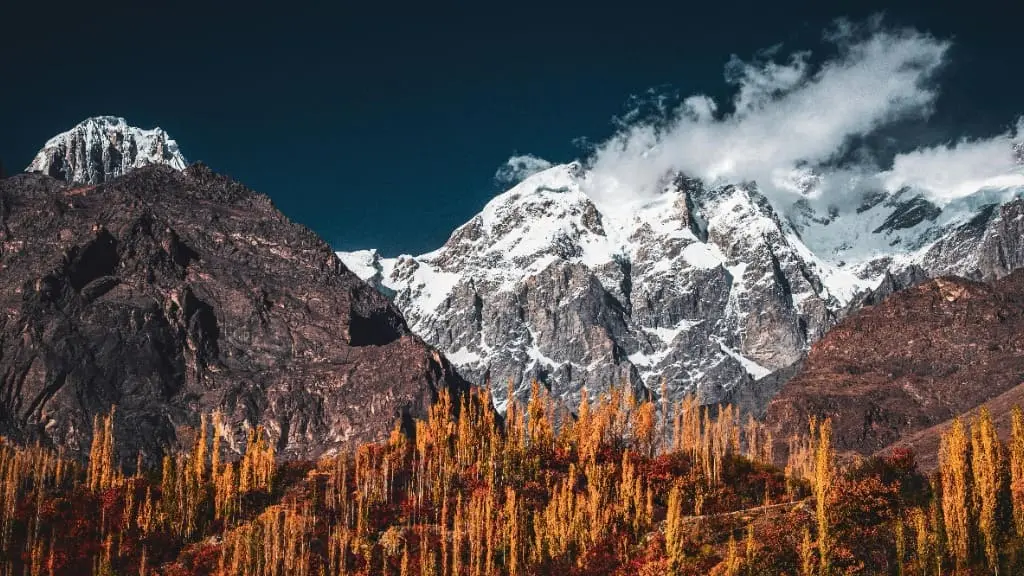
Autumn — roughly mid-September through early November — is when Gilgit-Baltistan explodes into its most dramatic colors. The valleys turn gold, orange, bronze, and red, framed by crystal-blue skies and early snow on the peaks. Peak color generally arrives around mid-October.
Jump Links
What does this article answer
Valley-by-valley peak color timing
Why autumn is so vibrant
How to plan for peak foliage
Sample itineraries
Photography & safety tips
Critical warning
Unique ND value: micro-timing map
Conclusion + CTA
FAQs
1) Why It Matters?
This guide gives a clear, trustworthy verdict on which season shows the most vibrant landscape color in Gilgit-Baltistan — plus a valley-specific timing map, the local science behind the colors, and an actionable plan so you can see and photograph the peak, not miss it.
2) When & Where Colors Peak — Valley-by-Valley
General autumn window: mid-September → early November
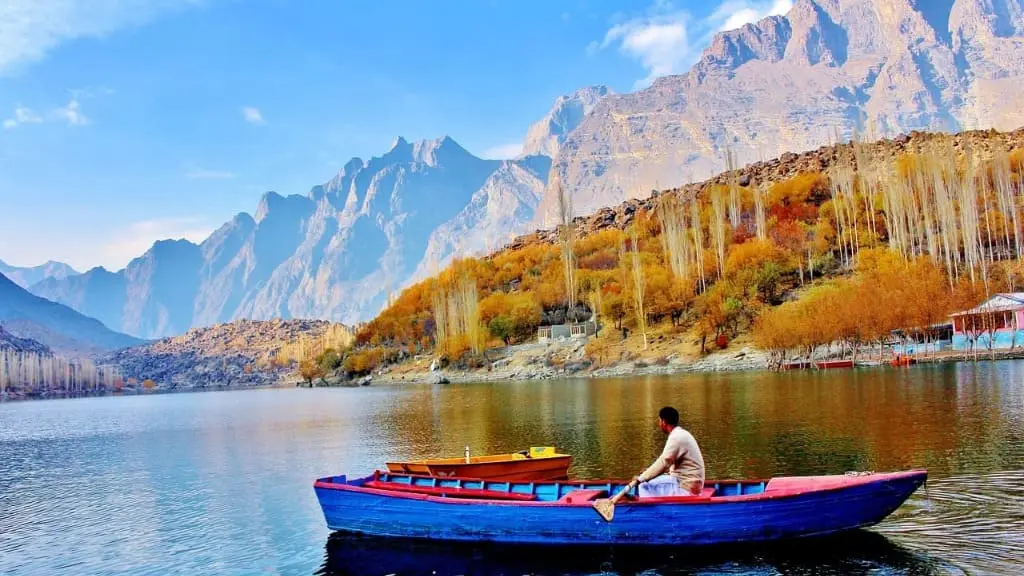
Peak: mid-October for most major valleys
Valley Micro-Timing (Typical)
Central & Upper Hunza: late Sept → mid-Oct (peak: mid-Oct)
Nagar: late Oct → early Nov (slightly later due to elevation)
Phander & Ghizer: late Sept → mid-Oct
Deosai Plains: Sept → Oct (shorter window with golden grasslands)
Pro Tip: Keep your schedule flexible. Weather shifts and elevation differences mean one valley can peak a week earlier or later.
3) Why Autumn Is So Vibrant Here — Local Insight
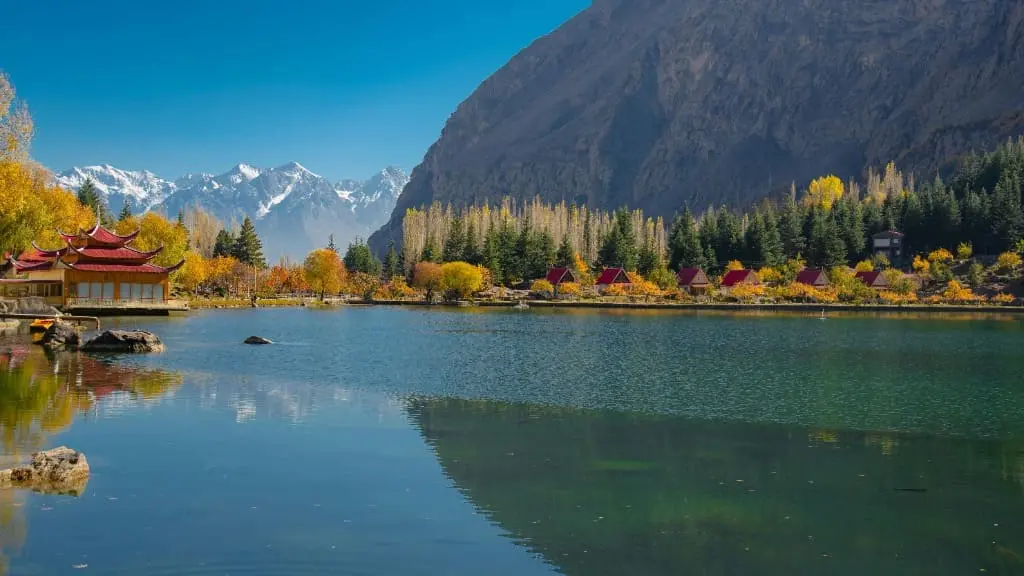
When temperatures drop and days shorten, trees stop producing chlorophyll. As the green fades, pigments like carotenoids (yellow/gold) and anthocyanins (red/purple) emerge. Gilgit-Baltistan amplifies this effect thanks to:
Why GB Looks Extra-Vivid
High contrast: golden trees against deep blue skies and snowy summits
Varied elevations: microclimates create layered color across altitudes
Abundant fruit orchards: apricot, apple, walnut, and poplar trees saturate entire villages with color
Local Insight: The brightest pockets are usually orchards and river terraces — Altit gardens, Kachura lakesides, Phander’s lakes, and Gulmit’s orchards.
4) How to Plan Your Trip for Peak Color
Core Principles
Mid-October is the safest overall bet
Earlier dates: focus on Ghizer, Phander, and lower Hunza
Later dates: target Nagar, Khaplu, and Skardu
Book flights early (Gilgit/Skardu sell out fast)
Hire experienced local drivers for autumn mountain roads
5) Sample Itineraries
Itinerary A — 7 Days (Mid-October, Hunza Focus)
Day 1: Fly Islamabad → Gilgit
Day 2: Gilgit → Karimabad (Altit/Baltit forts at golden hour)
Day 3: Upper Hunza viewpoints (Eagle’s Nest, Passu)
Day 4: Gulmit + Hopper Glacier day trip
Day 5: Nagar / Hoper Valley
Day 6: Return to Gilgit (local market photography)
Day 7: Fly out
Itinerary B — 10 Days (Late Oct → Early Nov: Skardu + Khaplu)
Skardu town, Upper/Lower Kachura
Deosai autumn grasslands
Khaplu orchards + riversides
Weather contingency days are recommended
6) Photography & Practical Tips
Best light: sunrise & sunset
Gear: tripod, polarizer, spare batteries (cold drains power)
Settings: f/8–f/11; bracket exposures for dynamic skies
Clothing: warm layers, windproof jacket, gloves
Roads: use 4×4 or trusted local jeeps
Etiquette: ask before photographing people; avoid private orchards without permission
7) One Clear Warning Every Traveler Must Know ⚠️
Each valley peaks at a different time.
If you assume a single “best week,” you may miss the color entirely. Cold spells, late monsoon moisture, or altitude differences can shift the peak by up to a week. Keep buffer days and always check recent local updates.
8) ND’s Micro-Timing Map
Most websites simply say “October is best.”
ND goes deeper: a week-by-week color map, built from local field reports and real traveler photos.
Where to Go Based on Your Exact Travel Week
Sep 20–Oct 5: Ghizer, Phander, lower Hunza
Oct 6–Oct 20: Central & Upper Hunza; Skardu begins turning
Oct 21–Nov 5: Nagar, Khaplu, Deosai fringes, late-elevation pockets
This is your most accurate way to catch true peak color.
9) Conclusion
Final Verdict:
Autumn — especially mid-October — delivers the most vibrant colors in Gilgit-Baltistan. Expect golds, reds, oranges, and bronze leaves glowing beneath some of the world’s most dramatic peaks.
If you want a custom autumn itinerary or a photography-focused route built on live valley updates, reach out to the Northern Discover team — we’ll guide you to the exact pockets of peak color.
10) FAQs
Q: When is peak autumn in Gilgit-Baltistan?
A: Mid-October for most valleys; elevations shift timing by a week.
Q: Which valley has the brightest colors?
A: Hunza and Nagar are consistently the most vibrant.
Q: Is autumn better than spring?
A: Yes for color; autumn gives gold/red tones, while spring offers softer florals.
Q: Can I see autumn color in late November?
A: Usually, no — most leaves have fallen and winter sets in.
Q: Do I need a local guide?
A: Recommended for timing, road safety, and photography locations.
Q: What clothes should I pack?
A: Base layer, warm mid-layer, windproof shell, gloves, hat.
Q: Are roads open during autumn?
A: Generally, yes, but early snow or landslides can cause brief closures.
Q: Can I join a photography tour?
A: Yes — ND offers photography-friendly itineraries.
Q: Best time for photography?
A: Sunrise and sunset for warm tones and glowing foliage.
Q: Which trees create the color?
A: Poplar, apricot, apple, walnut, mulberry, and willow.
Q: Is October crowded?
A: Major valleys can be busier; book flights/hotels early.
Q: Best way to travel between valleys?
A: Domestic flights + 4×4 road travel.
Q: Can I combine autumn with trekking?
A: Yes for moderate treks; high passes may close early.
Q: Is it safe for solo travelers?
A: Yes, with proper planning and reliable transport.
Q: How long should I stay?
A: 7–10 days gives enough flexibility to catch peak color.
Q: Must-have gear?
A: Tripod, polarizer, extra batteries.
Q: Can I drive myself?
A: Possible, but local drivers are safer on mountain routes.
Q: Does climate change affect timing?
A: Yes — unpredictable weather can shift peaks by days to weeks.
Q: Is there a map of peak colors?
A: Yes — ND’s autumn micro-timing map and live updates are the best source.
Q: How do I book an autumn trip with ND?
A: Visit our autumn packages page or contact our team for a custom plan.