
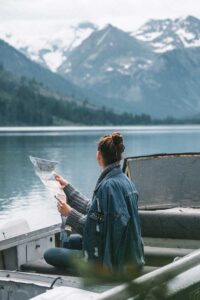
This post gives you — and the readers of Northern Discover — an actionable, publish-ready guide for Solo female travel in GB (Gilgit-Baltistan) with safety-first planning, local insight, a sample 7-day solo itinerary, budgets, and a 15+ FAQ accordion ready for publishing.
Solo Travelling in GB:
Solo female travel in GB is increasingly common: women-only tours run regularly, and many solo women report warm hospitality in Hunza, Skardu, and Gilgit — but the region also has weather, permit and infrastructure quirks you must plan for. Read this guide to learn what to pack, when to go, how to stay safe, who to call, and exactly how much a realistic 7-day solo trip will cost.
⚠️ Quick content warning (read first): Northern Pakistan’s mountain climate is changing rapidly — 2025 saw deadly cloudbursts and flash floods that affected tourists and roads. Check local advisories and flight/road status before travel.
Why Gilgit-Baltistan — the real attraction for solo women
- Spectacular scenery (Karakoram, Himalaya, Hindu Kush), friendly small towns (Hunza’s Karimabad, Skardu), and communities like the Ismailis in Hunza where women are highly visible in public life. These social realities make many areas unusually welcoming compared to Pakistan’s big cities.
- Tourism infrastructure is growing: domestic flights to Gilgit and Skardu exist (scenic 1–1.5 hour hops from Islamabad), but flights are weather-dependent and often change — so plan flexible arrival/departure windows.
Fast facts & safety headlines (bite-size)
- Official travel advisories: Many foreign governments urge caution for Pakistan overall; check your government’s advisory before travel. (Example: US travel advisory pages are regularly updated.)
- Permits & registration: Foreign visitors must register with local authorities and may need permits for trekking/remote zones — organize permits through your operator or the tourism department.
- Emergency numbers & police contacts exist locally; save them (we list a short set below).
- Mobile data: mainstream networks (Jazz, Zong, Telenor) work in towns; for remote spots use SCOM coverage or local eSIMs — but expect dead zones on long drives/treks.
Planning a solo trip — step-by-step checklist (do these before you leave)
- Pick the safe travel window — May–September (spring/summer) and early autumn (Sep–Oct) avoid winter road closures and extreme cold. Autumn gives fewer crowds and great photography.
- Book flexible flights (ISB→GIL / ISB→KDU). Allow 1–2 buffer days for weather delays.
- Decide solo style: self-travel vs women-only group vs private driver + female guide. Women-only group tours exist (specialist operators run women’s departures).
- Register & permits: If you plan treks or restricted areas, secure trekking/climbing permits and register with the tourism authority. Always carry passport + visa copies.
- Book at least your first two nights in a reputable guesthouse (Karimabad, Gilgit city, or Skardu). Use your booking confirmation to register with local police if required.
- Prepare a local safety card (name, hotel, local contact, embassy/consulate, emergency numbers). Print it and keep a digital copy.
- Arrange a female guide or a female-friendly operator if you prefer — many local agencies and international operators now offer women-only or female-friendly packages.
💡 Tip: Save screenshots of your ID + permit + hotel reservation in a secure cloud folder and in your phone’s offline storage.
<!– IMAGE: Insert scenic Hunza valley image here — use a high-res Hunza panorama (source suggestions from earlier images) –>
Sample 7-day solo itinerary (realistic and safe) — with ballpark costs
Style: Budget-to-midrange independent solo (mix of public transport + one private driver day)
Rough total (excluding international flights): USD 250–700 for 7 days (budget option) — packages range PKR 25,000–150,000 depending on travel by road vs air and inclusions. Examples of package pricing vary widely: road packages from ~PKR 25–75k, air options higher.
Day-by-day (compact):
- Day 1 — Islamabad → Gilgit (flight) — arrive, SIM+cash, short city walk.
- Day 2 — Gilgit → Karimabad (Hunza) — afternoon sunset at Eagle’s Nest.
- Day 3 — Karimabad: Altit & Baltit Forts, local women-run cafés, meet local guide.
- Day 4 — Day trip: Attabad Lake + Passu viewpoints.
- Day 5 — Transfer to Nagar / local village to experience home stay (female-run homestays available).
- Day 6 — Return to Gilgit, market time, prepare for Skardu if flying.
- Day 7 — Fly back to Islamabad (or continue).
Cost breakout example (approx per day): accommodations $15–40, food $5–15, local transport $5–30, guide/driver split $10–40. For guided treks add guide/porter fees ($100+ for multi-day treks).
On-the-ground safety: habits, female guides, and local norms
Solo female travel in GB: Step-by-step safety checklist
- Dress modestly but comfortably — long shirts + trousers, scarf for crowded/ritual spaces; Hunza is more liberal but modesty still helps.
- Use licensed taxis/drivers — check ID and vehicle registration; get driver’s name and phone; avoid hitchhiking at night.
- Prefer day travel between towns. Night mountain driving increases risks (landslides/poor visibility).
- Book female guides or women-friendly hosts for comfort — women’s tours and guides are increasing in availability.
- Monitor weather & local news — cloudbursts and flash floods are seasonal hazards in monsoon months; be ready to postpone excursions.
📍 Local insight: Hunza’s Ismaili culture means women are often at ease in public life — mix local dress (shalwar kameez) with comfortable layers for hiking according to the Business Insider
Emergency contacts, permits & communications — save this now
Local police & contacts: official GB government lists publish police station numbers and key contacts — keep copies of district police and SSP office numbers.
Emergency & rescue: Pakistan Rescue/1122 works in many provinces; Gilgit-Baltistan has local services — but ground rescue can be slow in extreme weather. Always tell someone your route.
Permits: register with local tourism authorities for trekking and apply for climbing permits well ahead if needed. Use licensed operators to handle paperwork.
Connectivity: buy a local SIM (Jazz/Telenor/Zong) in Gilgit/Skardu or order an international eSIM as backup; for remote coverage SCOM SIM works in northern zones (available locally).
Conclusion
Bottom line: Solo female travel in GB is achievable and richly rewarding if planned with local knowledge, permit checks, flexible flights, and a safety routine. Northern Discover can showcase a verified female guides directory, printable safety packs, and a women-friendly 7-day package that nails the gaps other sites miss. Want this published as an ND post ready for the CMS (with images, accordion FAQs, and copy optimized for voice search and semantic SEO)? Tell me to draft the final HTML/WordPress copy and I’ll convert this into a fully-formatted post with images, alt text, and the accordion FAQ code.
9) FAQs
1. Is it safe to visit Gilgit-Baltistan as a solo female traveler?
Yes, in many valleys (such as Hunza and parts of Skardu). However, always stay alert, follow local norms, register with authorities, and avoid travel during monsoon or cloudburst warnings.
2. When is the best time to visit?
- May–September: trekking & green valleys
- September–October: autumn colors
- Winter: great for snow-lovers, but many roads and flights close.
3. Do I need permits?
Yes, for trekking or entering restricted high-altitude zones. Foreign nationals must register locally. Using a licensed operator makes the process easier.
4. How do I get there (flights vs road)?
- Flights: Islamabad → Gilgit (~1h15) or Islamabad → Skardu (~1h).
- Road: long, scenic drive via Karakoram Highway (allow extra time).
Flights are weather-sensitive.
5. How much will a 7-day solo trip cost?
- Independent budget: USD 250–700
- Packaged tours: PKR 25,000–150,000+ depending on flights and inclusions.
6. Are there women-only tours?
Yes. Some specialist operators run women-only trips. You can also search “Pakistan women’s tour” or contact local operators to curate one.
7. What should I wear?
Modest clothing: long sleeves, loose trousers, and a scarf for visiting religious sites. Hunza is generally more liberal.
8. Is internet coverage reliable?
Urban towns have decent 3G/4G. Remote roads and trekking routes often have poor coverage. Consider SCOM in higher-altitude zones or keep an eSIM as backup.
9. What are the main hazards?
Flash floods during monsoon, landslides, sudden weather changes, and high-altitude sickness on quick ascents. Always plan buffer days.
10. Can I hire a female guide locally?
Yes. The number of female guides is growing, and some operators maintain verified directories.
11. What documents should I carry?
Passport + visa, hotel bookings, permits, contact card, printed IDs, and travel insurance (with rescue/evacuation cover).
12. Are hotels safe for solo women?
Yes, especially in Karimabad, Gilgit, and Skardu. Choose well-reviewed guesthouses and confirm if female staff is available if that matters to you.
13. Will my travel insurance cover trekking?
Not always. Many policies exclude trekking or mountaineering above certain altitudes. Buy specialized coverage if needed.
14. What languages are spoken?
Urdu and English in most tourist areas. Local languages include Burushaski, Shina, Balti, and others. Locals are generally very helpful.
15. If weather cancels my flight, what should I do?
Keep buffer days, book refundable tickets, and have a backup road plan. Keep hotel/operator contacts and local police numbers handy.