
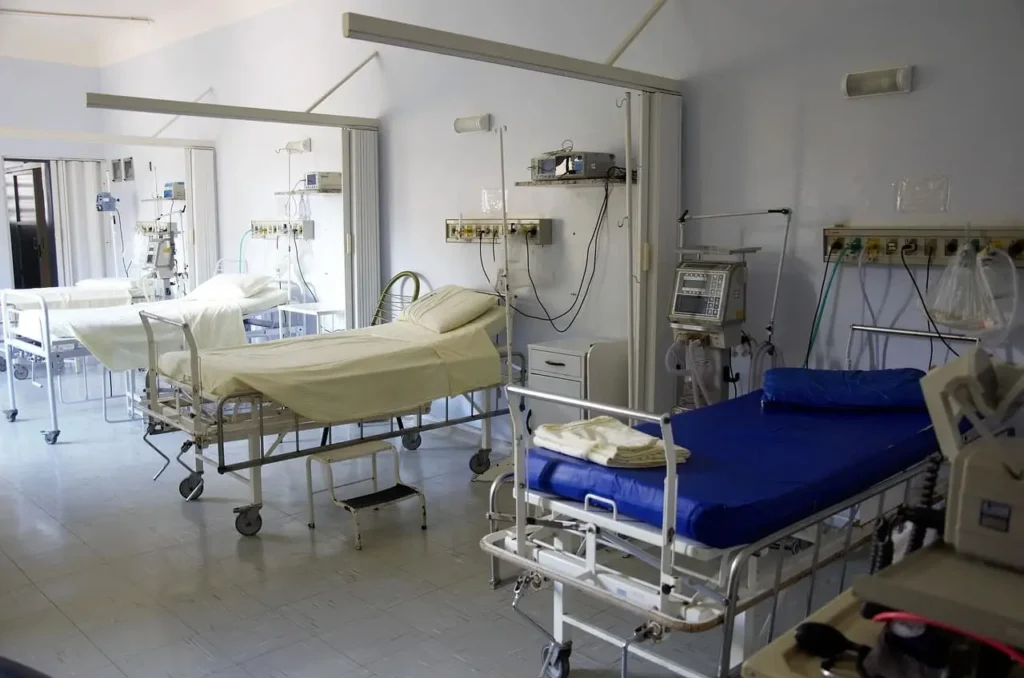
When preparing for the remote and challenging terrain of Gilgit-Baltistan, a clear plan for medical emergencies is non-negotiable. This essential guide outlines the state of Health Facilities in Gilgit Baltistan, providing verified details on where to find 24/7 emergency care in Gilgit and Skardu, identifying hospitals with specific specialties, explaining the complex evacuation procedures (especially via helicopter), and detailing the necessary items to pack for health resilience. Travel safer by knowing exactly where help is and how to activate it when seconds count.
Health Facilities in Gilgit Baltistan: Complete Guide
At-a-glance: Essentials for Travellers
Primary advice: Save local emergency numbers to your phone and screenshot this page for offline use.
Bring:
- Basic first-aid kit and altitude medication (after doctor consultation)
- Copies of prescriptions
- Travel insurance that includes mountain evacuation
Expect:
Tertiary medical care is limited outside Gilgit and Skardu. Critical patients are often transferred to Islamabad or Karachi.
⚠️ Local warning:
During monsoon or flood seasons, some facilities face disruptions or operate from temporary field hospitals. Expect possible delays in road transport and evacuation.
Where to Get Emergency Care (Major Hospitals & Contacts)
Gilgit
- Al Hussaini Health Care (Gilgit): 24/7 emergency services, Khazana Road.
☎️ 05811-453770 / 05811-457137 | 🌐 alhussainihc.com - Aga Khan Health Services – Gilgit: High clinical standards, diagnostics, and medical centres under AKHS Pakistan.
☎️ 05811-456202 / 05811-455813 | 🌐 agakhanhospitals.org - Combined Military Hospital (CMH) Gilgit: Military-run hospital with emergency capacity (confirm access in advance).
Hunza / Karimabad
- Hunza Civil Hospital (Karimabad): Main emergency facility for the Hunza district; limited capacity — major cases transferred to Gilgit.
Skardu, Diamer, Ghanche, Astore
- District Headquarters (DHQ) / Civil Hospitals: Provide general and some emergency care; severe trauma or critical cases transferred to Gilgit or Islamabad.
- Field Hospitals: During disasters, temporary facilities are set up by NDMA, GB-DMA, and AKDN.
How to Handle a Medical Emergency — Step-by-Step
Step 1 — Immediate Care (First 15 Minutes)
If life-threatening, call the nearest hospital immediately.
Provide first aid: control bleeding, ensure airway, perform CPR if trained.
Step 2 — Call Local Emergency Services
Al Hussaini emergency numbers (05811-453770 / 05811-457137) operate 24/7.
If outside Gilgit, contact the nearest DHQ hospital.
Step 3 — Arrange Evacuation
- Road evacuation: Ambulance or private vehicle to nearest hospital (roads may be slow or blocked).
- Air evacuation: Coordinate with your insurer or local authorities (GB-DMA / NDMA).
In major disasters, AKDN and WHO assist with airlifts.
Step 4 — Hospital Admission & Documentation
Carry ID, insurance card, list of medications, and a consent form.
If you don’t speak Urdu, have your guide assist in communication.
💡 Local Tip:
Give your guide a laminated card with your blood type and emergency contacts. Locals can mobilize help faster if details are clear.
Common Medical Issues in GB and Prevention
| Issue | Prevention / Action |
|---|---|
| Altitude Sickness (AMS/HACE/HAPE) | Ascend gradually, hydrate well, use acetazolamide (doctor prescribed). |
| Injuries & Falls | Wear helmets, use reputable drivers, and check equipment. |
| Infections (Water/Food) | Drink bottled or boiled water, eat cooked meals, carry ORS. |
| Mental Health (after disasters) | Seek help from AKHS or humanitarian support programs. |
Local Systems & Disaster Response
- Aga Khan Development Network (AKDN): Runs major health, disaster response, and field hospital programs through AKHS and AKAH.
- GB-DMA & NDMA: Coordinate evacuations and emergency logistics during floods, earthquakes, and landslides.
- WHO / EMRO: Publishes situation reports during major emergencies — follow updates for alerts.
Practical Packing Checklist & Pre-Trip Tasks
- ✅ Travel insurance (with helicopter rescue clause)
- ✅ Personal medicines & altitude tablets
- ✅ Oral rehydration salts and wound care kit
- ✅ Offline maps, local SIM (Jazz/Telenor), or satellite phone
- ✅ Printed emergency contact list & ID copies
📍 Local insight:
Many remote villages have volunteer-run health posts. A small gesture of thanks to helpers (food, money, or kind words) encourages cooperation and quicker assistance.
Warnings & Travel Insights
⚠️ Monsoon season (July–August): Roads and bridges can close suddenly.
🚫 Solo trekking: Avoid it; hire licensed guides.
📜 Insurance note: Many policies exclude high-altitude rescue — confirm in advance.
FAQs
Q: What number do I call in Gilgit for emergencies?
A: Al Hussaini Health Care — 05811-453770 / 05811-457137.
Q: Does Aga Khan have a hospital in Gilgit?
A: Yes, multiple AKHS centres operate with diagnostics and clinical care.
Q: Can I get evacuated by helicopter?
A: Yes, but it depends on weather, cost, and coordination with your insurer and NDMA.
Q: How to prevent altitude sickness?
A: Ascend slowly, rest if you feel dizzy, and never sleep higher than 500m above your previous night’s altitude.
Q: Are there pharmacies in Hunza or Skardu?
A: Yes, small pharmacies exist in major towns, but supplies can be limited — carry essential medication.
Conclusion & Next Steps
Gilgit-Baltistan’s beauty comes with real health challenges — from altitude to remoteness. Prepare properly, save the contacts above, and travel with insured, guided support.
Stay safe, stay informed, and share this emergency & health facilities in Gilgit Baltistan guide with your group before your trip.