
K2 Base Camp Elevation, Difficulty & Acclimatization Guide
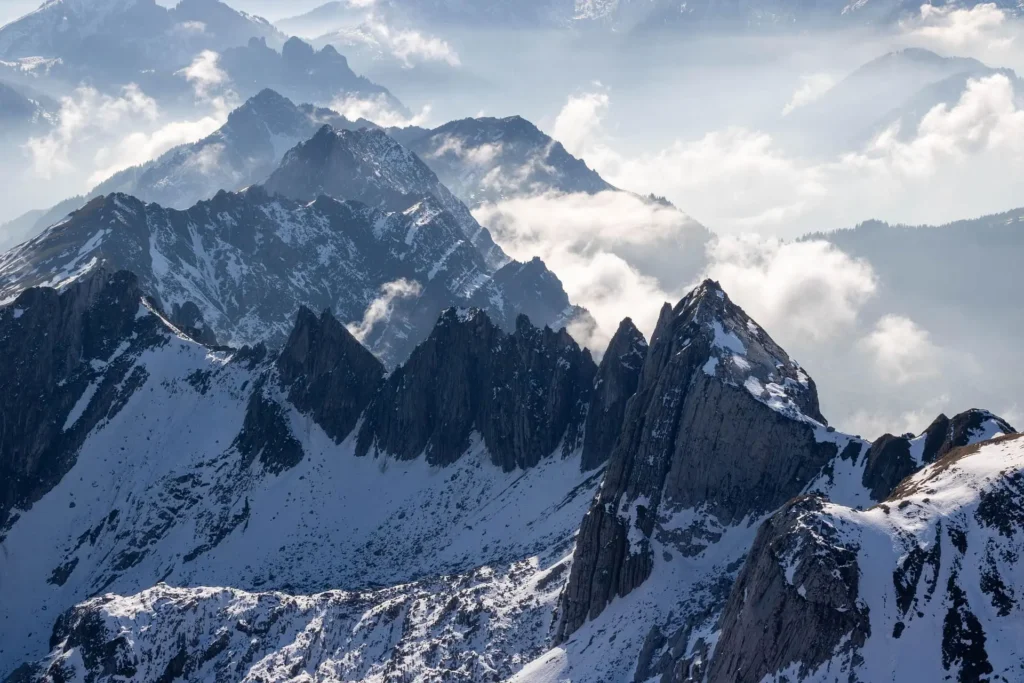
K2 Base Camp sits at 5,150 meters (16,896 feet) above sea level in Pakistan’s Karakoram Range. This guide covers elevation, acclimatization, and trek difficulty on the Baltoro Glacier route from Askole through Paiyu, Urdukas, Goro II, and Concordia to K2 Base Camp
The route follows the 63-kilometer Baltoro Glacier from Askole through Paiyu, Urdukas, Goro II, and Concordia before reaching K2 Base Camp beneath the 8,611-meter summit of K2. Each camp brings you higher into one of the most remote mountain environments on Earth.
Altitude becomes the defining challenge after Urdukas (4,050 m), where oxygen levels drop significantly as trekkers move toward Concordia (4,691 m) and K2 Base Camp (5,150 m).. Above 3,500 meters, your body begins working harder to absorb oxygen. By the time you reach Concordia at 4,691 meters, many trekkers feel the effects directly.
This guide is written for trekkers preparing for the 100+ kilometer round-trip Baltoro Glacier route from Askole to Concordia and onward to K2 Base Camp. It covers elevation data, daily altitude gain, acclimatization strategy, difficulty ratings, fitness benchmarks, and comparisons with other high-altitude routes. Whether you are a seasoned trekker or planning your first high-altitude journey, this guide gives you the information needed to prepare properly.
The K2 Base Camp trek requires no technical climbing skills. It is a demanding Baltoro Glacier wilderness trek that involves more than 60 kilometers of glacier travel between Paiyu and K2 Base Camp. Success on the Askole–Paiyu–Urdukas–Concordia route depends on fitness, careful pacing above 4,000 meters, and proper acclimatization before the final ascent to K2 Base Camp.
What Is the Elevation of K2 Base Camp?
K2 Base Camp elevation is 5,150 meters (16,896 feet) above sea level. It sits on the Godwin-Austen Glacier at the foot of K2’s south face in Gilgit-Baltistan, Pakistan.
This elevation places K2 Base Camp significantly higher than most trekking destinations worldwide. Understanding how this altitude compares to other camps along the Baltoro route helps trekkers plan their acclimatization correctly.
Elevation Comparison: Key Points on the Baltoro Route
| Location | Elevation (Meters) | Elevation (Feet) |
| Askole | 3,015 m | 9,892 ft |
| Paiyu | 3,490 m | 11,450 ft |
| Urdukas | 4,050 m | 13,287 ft |
| Concordia | 4,691 m | 15,390 ft |
| K2 Base Camp | 5,150 m | 16,896 ft |
Why K2 Base Camp Altitude Matters
At 5,150 meters, atmospheric oxygen pressure is roughly half of what it is at sea level. Your body absorbs less oxygen with every breath. This leads to reduced energy, slower recovery, and increased risk of Acute Mountain Sickness (AMS).
The gain from Askole to K2 Base Camp totals 2,135 meters across approximately 10 to 12 trekking days. That rate of ascent is manageable only with deliberate acclimatization days built into the itinerary.
For comparison, Everest Base Camp on the Nepal side sits at 5,364 meters — higher than K2 Base Camp. However, the Everest Base Camp route offers more teahouses, more trekkers, and more frequent acclimatization stops. The Baltoro route is more remote with fewer services, making altitude management more critical here.
Kilimanjaro’s summit stands at 5,895 meters, but its base camp at Barafu sits around 4,673 meters — similar to Concordia. The key difference is acclimatization time. Kilimanjaro treks often compress ascent into five to seven days. The Baltoro route typically spans twelve to sixteen days, giving your body more time to adapt.
Understanding these comparisons puts K2 Base Camp altitude in perspective. It is not the highest trekking destination, but the combination of remoteness, glacier terrain, and limited infrastructure makes altitude management a top priority.
K2 Base Camp Elevation Profile by Day
The standard K2 Base Camp trek departs from Askole and follows the Braldu River before joining the Baltoro Glacier. Daily elevation gains are gradual through the lower sections. Altitude becomes a serious factor from Urdukas onward.
The table below outlines a standard 12-day ascent profile. Itineraries vary by operator and trekker fitness. Rest days are marked with no elevation gain.
Day-by-Day Elevation Gain Table
| Day | Camp | Elevation (m) | Elevation (ft) | Elevation Gain (m) | Acclimatization Notes |
| Day 1 | Jhola / Korophon | 3,100 m | 10,170 ft | +85 m | Warm-up day; mild altitude |
| Day 2 | Paiyu | 3,490 m | 11,450 ft | +390 m | First significant gain; hydrate well |
| Day 3 | Paiyu (Rest Day) | 3,490 m | 11,450 ft | 0 m | First acclimatization day; short hike recommended |
| Day 4 | Khoburtse | 3,844 m | 12,612 ft | +354 m | Glacier walking begins; watch for headaches |
| Day 5 | Urdukas | 4,050 m | 13,287 ft | +206 m | ⚠️ Altitude effects common here |
| Day 6 | Goro I | 4,300 m | 14,108 ft | +250 m | Exposed glacier camp; wind and cold increase |
| Day 7 | Goro II | 4,400 m | 14,436 ft | +100 m | Short day; body adjusts to 4,000+ m sleeping altitude |
| Day 8 | Concordia | 4,691 m | 15,390 ft | +291 m | ⚠️ Critical acclimatization point |
| Day 9 | Concordia (Rest Day) | 4,691 m | 15,390 ft | 0 m | Day hike to Ali Camp or toward Broad Peak Base Camp |
| Day 10 | K2 Base Camp | 5,150 m | 16,896 ft | +459 m | ⚠️ Highest point; monitor for AMS closely |
| Day 11 | K2 Base Camp (Explore) | 5,150 m | 16,896 ft | 0 m | Rest, explore, photograph — do not ascend higher |
| Day 12 | Concordia | 4,691 m | 15,390 ft | -459 m | Descent begins; symptoms often ease quickly |
Where Altitude Begins Affecting Most Trekkers
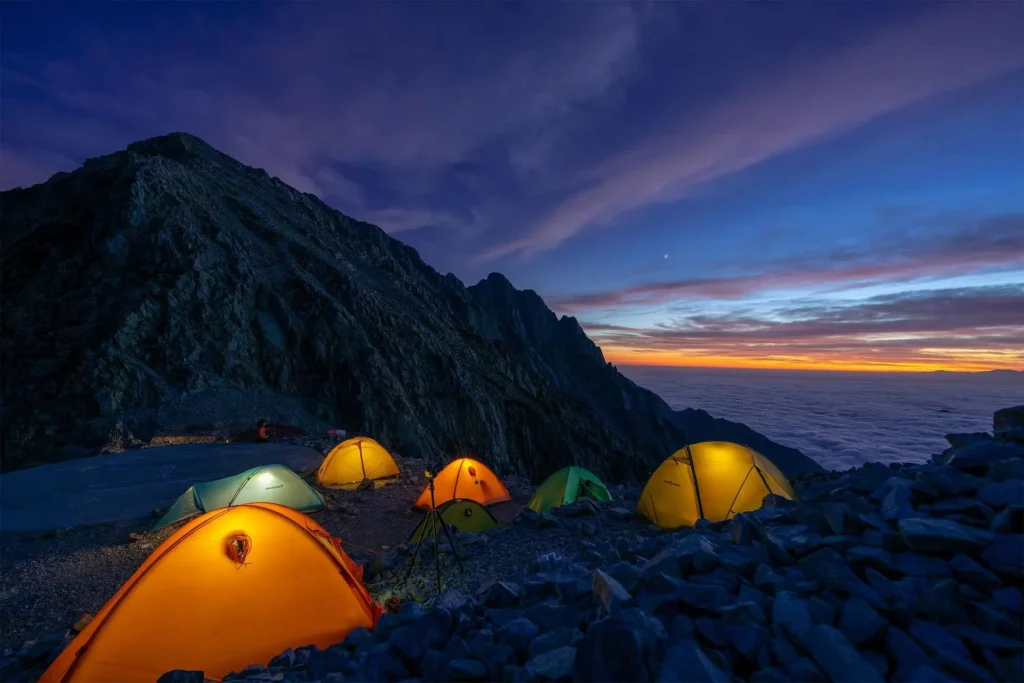
Most trekkers feel the first altitude effects between Urdukas (4,050 m) and Goro I (4,300 m). Common symptoms include mild headaches, reduced appetite, and difficulty sleeping.
The critical threshold is Concordia at 4,691 meters. Sleeping at this elevation for two nights prepares your body for the final push to K2 Base Camp. Trekkers who skip the Concordia rest day often struggle significantly on the ascent to 5,150 meters.
At K2 Base Camp itself, the thinner air means even simple tasks — setting up a tent, walking to the glacier viewpoint — require more effort than expected.After arriving at K2 Base Camp at 5,150 meters, rest should be the priority because even short walks around the Godwin-Austen Glacier require noticeably more effort.
How Difficult Is the K2 Base Camp Trek?
The K2 Base Camp trek is rated as a strenuous, advanced-level wilderness trek. It is not a technical mountaineering expedition. No ropes, ice axes, or climbing skills are required. The difficulty comes from terrain, remoteness, altitude, and the sheer number of consecutive days trekking in a demanding environment.
Overall Difficulty Rating
K2 Base Camp difficulty is primarily determined by altitude, glacier terrain, remoteness, and the sustained physical effort required over 12–16 days.Most trekking operators classify this route as Grade 5 or “Strenuous.” It is harder than Nepal’s Everest Base Camp trek and significantly more demanding than the Annapurna Circuit or Langtang Valley routes. The difficulty is physical and logistical, not technical.
Daily Walking Hours
Expect six to eight hours of walking per day on most active trekking days. Some stages, particularly between Concordia and K2 Base Camp, feel longer due to altitude slowing your pace. Rest days at Paiyu and Concordia bring this average down across the full itinerary.
Terrain Challenges
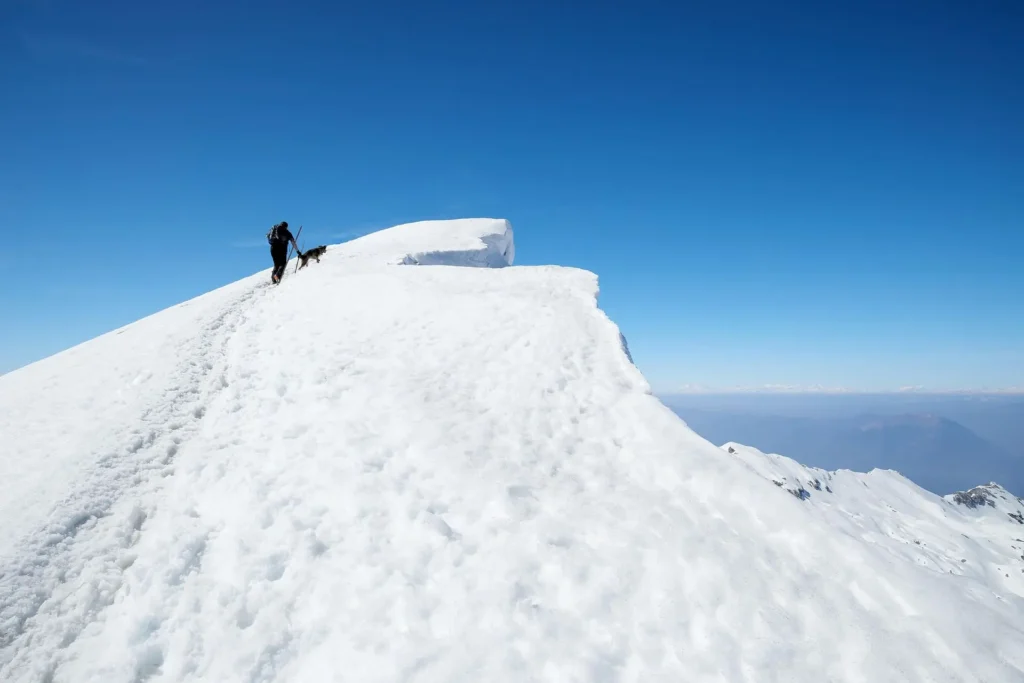
The terrain changes dramatically after Paiyu as trekkers leave the Braldu River valley and spend multiple days walking directly on the Baltoro Glaciebetween Askole, Paiyu, Urdukas, Goro II, and Concordia as the trail transitions from the Braldu River valley onto the Baltoro Glacier. From Askole, the trail follows the Braldu River on rocky, uneven paths. After Paiyu, the route joins the Baltoro Glacier — the longest glacier outside the polar regions at approximately 63 kilometers.
Walking on the Baltoro Glacier means navigating loose moraine debris, uneven ice surfaces, and boulder fields. Footing is often unreliable on the Baltoro Glacier between Khoburtse, Urdukas, and Goro II because moraine and glacier ice shift throughout the trekking season. Trekking poles are essential. Twisted ankles are the most common injury on this route.
Glacier Crossings
The Baltoro Glacier itself requires careful navigation. There are no marked trails on the glacier surface. Guide support is critical on the Baltoro Glacier between Urdukas and Goro II, where moraine routes and glacier conditions change throughout the seasonBetween Urdukas and Goro II, sections of the glacier require crossing unstable lateral moraine and navigating around crevasse fields. These are not technical glacier crossings, but they demand sure footing and attention.
River Crossings
Below Paiyu, several streams and river channels cross the trail. In July and August, glacial melt increases river volume significantly. Some crossings use basic rope bridges. Others require fording shallow but fast-moving streams. Waterproof trekking boots are not optional — they are necessary.
Weather Exposure
The Baltoro Glacier is fully exposed. There is no tree cover above Paiyu. Between Urdukas and K2 Base Camp, you are on open glacier with no natural wind shelter. Afternoon storms are common in July. Temperatures at Concordia and K2 Base Camp can drop below -10°C at night even in peak season. Wind chill at Goro II and above regularly makes conditions feel significantly colder.
Physical Demands
The cumulative physical demand of this trek is what separates it from easier high-altitude routes. You are not doing one hard day — you are doing ten to twelve consecutive hard days. Legs, lungs, and mental resilience all face sustained pressure. Carrying a daypack of 7 to 10 kilograms is standard while porters carry expedition loads.
The difficulty of the K2 Base Camp trek does not come from any single obstacle. It comes from the relentless combination of altitude, remoteness, glacier terrain, weather exposure, and multi-week duration. Trekkers who underestimate this often struggle from Urdukas onward.
Can a Beginner Do the K2 Base Camp Trek?
The K2 Base Camp trek is not recommended for first-time trekkers with no prior high-altitude experience. It is achievable for motivated beginners who prepare seriously and have at least one prior multi-day trekking experience above 3,000 meters.
Beginner Suitability
A complete beginner — someone who has never done a multi-day trek — should not attempt this route without significant preparation. The combination of glacier terrain, 5,150-meter sleeping altitude, and remote logistics creates conditions that punish inexperience quickly.
That said, “beginner” is a spectrum. Someone who hikes regularly, has completed a week-long mountain trek, and trains deliberately for six months can complete this trek successfully.
Experience Recommendations
Before attempting K2 Base Camp, trekkers benefit from having completed at least one of the following: a multi-day trek above 3,000 meters, such as the Fairy Meadows to Nanga Parbat Base Camp trek; a week-long trekking route with daily six-hour walking days; or the Spantik Base Camp or Rush Lake Trek in Gilgit-Baltistan for regional altitude experience.
Trekkers who have completed Nepal’s Everest Base Camp or Annapurna Base Camp are well-positioned to attempt K2 Base Camp next.
Typical Success RatesK
Precise statistics for K2 Base Camp completion rates are not widely published. Guides in Skardu estimate that roughly 80 to 90 percent of reasonably prepared trekkers complete the route. The most common reasons for turning back are altitude sickness at Concordia or K2 Base Camp, and injury on the Baltoro Glacier moraine.
Common Mistakes
Beginners most often fail by underestimating acclimatization days, moving too fast on glacier sections, under-packing warm layers for Goro II and above, and ignoring early AMS symptoms at Urdukas.
Beginner Readiness Checklist
Fitness Requirements
- [ ] Able to hike 6 to 8 hours daily for ten consecutive days
- [ ] Cardiovascular fitness sufficient for sustained uphill walking
- [ ] Strong lower body strength for moraine and uneven glacier terrain
- [ ] Core stability for carrying a 7 to 10 kg daypack
Hiking Experience
- [ ] At least one prior multi-day trek (3+ days)
- [ ] Prior experience at altitude above 3,000 meters
- [ ] Experience walking on uneven terrain or loose rock
Mental Preparation
- [ ] Comfortable with uncertainty and changing weather plans
- [ ] Psychologically ready for ten to fourteen days without urban amenities
- [ ] Able to make a turn-back decision without ego involvement
Gear Readiness
- [ ] Proper layering system tested on prior treks
- [ ] Waterproof, ankle-supporting trekking boots already broken in
- [ ] Sleeping bag rated to at least -15°C
- [ ] Trekking poles, sunglasses, sun protection, and blister management kit
Understanding Altitude Sickness on the K2 Route
Acute Mountain Sickness (AMS) is a physiological response to reduced oxygen at high altitude. It occurs when the body ascends faster than it can adapt to lower atmospheric pressure. On the Baltoro Glacier route to K2 Base Camp, AMS is a real risk at multiple points and must be taken seriously.
What Is AMS?
AMS develops when oxygen availability drops faster than the body can compensate. Above 2,500 meters, the risk begins. Above 4,000 meters, the risk increases substantially. At K2 Base Camp’s 5,150 meters, every trekker operates with roughly half the oxygen available at sea level.
Common AMS Symptoms
Symptoms range from mild to life-threatening. Mild AMS includes headache, nausea, fatigue, dizziness, and loss of appetite. These are common and manageable with rest and hydration. Moderate AMS includes persistent headache unrelieved by ibuprofen, vomiting, severe fatigue, and difficulty coordinating movements. Severe AMS — which can develop into High Altitude Pulmonary Edema (HAPE) or High Altitude Cerebral Edema (HACE) — includes confusion, extreme breathlessness at rest, inability to walk straight, and persistent cough producing pink frothy sputum.
Warning Signs Requiring Immediate Descent
Descend immediately if you experience: confusion or disorientation, loss of coordination or balance, breathlessness while at rest, persistent cough with frothy or pink mucus, or deteriorating symptoms despite a full rest day. These are medical emergencies. Descent is the only reliable treatment. THAT
Altitude Symptoms at Each Key Location
Paiyu (3,490 m): Most trekkers feel well at Paiyu. Some experience mild headaches on arrival, particularly those who have come directly from Skardu at 2,228 meters. A rest day here helps. Hydrate aggressively.
Urdukas (4,050 m): This is the first camp where altitude meaningfully affects trekkers. Loss of appetite is common. Headaches occur in many first-timers. Sleep quality drops noticeably. Urdukas is the warning point — if symptoms are severe here, proceeding cautiously is critical.
Concordia (4,691 m): Concordia is where moderate AMS becomes a real possibility for underprepared trekkers. Many trekkers experience disturbed sleep, shortness of breath during uphill sections, and reduced appetite. An acclimatization day here — including a short altitude hike and descent — is not optional for those feeling symptoms.
K2 Base Camp (5,150 m): At this elevation, mild AMS symptoms are nearly universal. Persistent headache, reduced appetite, and fatigue are expected on arrival. The goal is to prevent these from progressing. Monitor breathing carefully overnight. Any sign of breathlessness at rest or confusion requires descent to Concordia immediately.
High-Risk Sections
The section from Concordia to K2 Base Camp involves a 459-meter gain in a single day. This is the most altitude-intensive day of the entire trek. Trekkers who have not fully acclimatized at Concordia are at the highest risk on this final ascent.
How to Acclimatize Properly for K2 Base Camp
Proper acclimatization for K2 Base Camp begins before you arrive in Pakistan. The golden rule of high-altitude trekking applies here: climb high, sleep low. Your sleeping altitude determines how well your body adjusts, not the highest point you reach in a day.
Step 1 — Arrive Early and Acclimatize in Skardu
Skardu sits at 2,228 meters. Spend two to three days here before trekking begins. Use this time to adjust your sleep schedule, hydrate, and take short walks. Avoid alcohol and heavy meals during these days. The Skardu plateau orientation matters — it is the first altitude adjustment your body makes.
Step 2 — Hydration Strategy
Drink three to four liters of water daily from Day 1 in Skardu through your return. Dehydration accelerates AMS symptoms and is one of the most preventable causes of early trek failure. Electrolyte tablets or oral rehydration salts are useful, particularly in the first few days. Avoid caffeinated drinks in excess — they increase dehydration. Herbal tea and plain water are your primary fluids on the Baltoro Glacier.
Step 3 — Walking Pace Management
On the K2 Base Camp trek along the Baltoro Glacier, trekkers should walk slowly enough to maintain a conversation without stopping for breath. This controlled pace reduces physical stress, improves acclimatization, and lowers the risk of Acute Mountain Sickness (AMS) as elevation increases above 4,000 meters. Trekkers who surge ahead early often arrive at camp exhausted and symptomatic. A consistent, controlled pace preserves energy and reduces AMS risk.
Step 4 — Maximize Acclimatization Days
Plan your itinerary with a minimum of two dedicated rest days: one at Paiyu (3,490 m) and one at Concordia (4,691 m). On these days, do not simply lie in your tent. Take a two to three hour hike to a higher elevation and return to camp. This “climb high, sleep low” approach stimulates red blood cell production and improves altitude tolerance.
Step 5 — Sleep Management
Sleep quality at altitude drops significantly above 4,000 meters. Periodic breathing — waking suddenly with a gasping sensation — is common and not immediately dangerous. Sleep on your side rather than your back to reduce this. Avoid sleeping pills, which suppress the respiratory drive your body needs to compensate for thin air. A mild headache on waking is not a reason to stop — persistent or worsening headache is.
Step 6 — Nutrition Advice
Your appetite decreases at altitude. Eat anyway. Carbohydrate-rich foods — rice, chapati, pasta, and local dal — are easier to digest at altitude than protein-heavy meals. Eat small portions frequently rather than large meals. Bring high-calorie snacks — nuts, dried fruit, energy bars — for glacier days when camp meals feel unappealing.
Step 7 — Medication Considerations
Acetazolamide (Diamox) is a prescription medication that accelerates acclimatization by stimulating faster breathing. Consult a physician before the trek about whether it is appropriate for you. It does not substitute for proper acclimatization pacing. Ibuprofen 400 mg is effective for altitude headache. Carry both on the Baltoro route. Dexamethasone is a rescue medication for severe AMS and should be used only in genuine emergencies to enable descent — not as a performance enhancer.
Step 8 — Daily Monitoring Routine
Every morning before departing camp, check in honestly with your body. Rate your headache, energy, and appetite on a simple 1 to 5 scale. If two or more symptoms score 3 or above, consider a rest day before ascending. Guides on the Baltoro route use the Lake Louise Score — a standard AMS assessment tool — to evaluate trekker readiness. Know it and use it.
Concordia — The Most ImpHEADortant Acclimatization Point
Local Insight
Experienced Baltoro guides often notice that trekkers arriving at Concordia after a fast pace between Urdukas and Goro II report significantly more headaches and appetite loss than trekkers who deliberately slow their pace. Local expedition teams therefore encourage shorter breaks, steady walking, and aggressive hydration during the Goro II–Concordia stage rather than trying to reach camp quickly
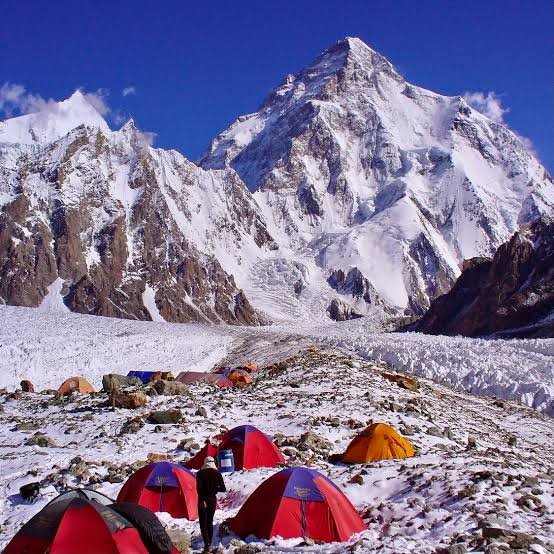
Concordia sits at 4,691 meters (15,390 feet) at the confluence of the Baltoro and Godwin-Austen Glaciers. It is the most strategically important camp on the entire K2 Base Camp route.
At Concordia, four of the world’s fourteen 8,000-meter peaks are visible simultaneously: K2, Broad Peak, Gasherbrum I, and Gasherbrum II. This is not merely a scenic stop — it is the altitude checkpoint that determines whether you safely complete the trek.
Why Concordia Matters for Acclimatization
Your body’s capacity to function at K2 Base Camp (5,150 m) depends directly on how well you adapt at Concordia (4,691 m). A full night of sleep at 4,691 meters forces your body to produce more red blood cells and improve oxygen delivery to muscles and organs. One night is rarely sufficient. Most experienced trekkers and guides recommend two nights at Concordia before ascending to K2 Base Camp.
Typical Acclimatization Schedules at Concordia
On the first Concordia night, rest and eat. On the acclimatization day, take a guided hike toward Ali Camp (5,000 m) or the lower slopes toward Broad Peak Base Camp, then return to Concordia to sleep. This “climb high, sleep low” day is the most effective single thing you can do to prepare for the final push to K2 Base Camp.
Surrounding Peaks from Concordia
Standing at Concordia, K2’s south face dominates the northern skyline at 8,611 meters. Broad Peak (8,047 m) stands to the east. Gasherbrum IV’s elegant ridgeline is visible to the southeast. The Baltoro Glacier stretches 20 kilometers back toward Urdukas. No photograph prepares you for the scale of this amphitheater.
K2 Base Camp vs Everest Base Camp Difficulty
K2 Base Camp is harder than Everest Base Camp by most objective measures. The elevation difference is modest. The terrain, remoteness, and infrastructure gap are significant.
Comparison Table
| Factor | K2 Base Camp | Everest Base Camp (Nepal) |
| Elevation | 5,150 m (16,896 ft) | 5,364 m (17,598 ft) |
| Difficulty | Grade 5 — Strenuous | Grade 3–4 — Moderate to Strenuous |
| Trek Duration | 12–16 days | 12–14 days |
| Accessibility | Very Remote — fly to Skardu, jeep to Askole | Moderate — fly to Lukla, established trail |
| Crowds | Very Low — fewer than 500 trekkers per season | Very High — thousands per season |
| Terrain | Glacier moraine, loose rock, exposed ice | Established dirt and stone trail |
| Teahouses / Lodges | None — full camping required | Available throughout route |
| River Crossings | Yes — multiple; some technical | Minimal |
| Glacier Walking | Extensive — 60+ km on Baltoro Glacier | Limited — brief section near base camp |
| Rescue / Support | Limited — helicopter evacuations possible from Concordia | Easier — higher trekker density, faster response |
| Technical Skill | None required | None required |
Which Trek Is Harder and Why
Everest Base Camp is technically slightly higher at 5,364 meters. However, K2 Base Camp is harder for the following reasons.
The Baltoro Glacier route has no teahouses. Every night is in a tent. There are no hot showers, no warm dining halls, and no established lodges to provide comfort or safety infrastructure. On the Everest route, Namche Bazaar and Dingboche offer altitude acclimatization stops with medical facilities nearby.
On the Baltoro Glacier, if something goes wrong between Urdukas and Concordia, the nearest road is four to five days away on foot. Helicopter rescue is possible but weather-dependent and expensive.
The terrain on the Baltoro route is objectively more challenging. Walking on moraine and unstable glacier surface for multiple consecutive days is more physically taxing than the groomed trails of the Khumbu Valley in Nepal.
For trekkers who have completed Everest Base Camp, K2 Base Camp is the logical next step up in difficulty.
K2 Base Camp vs Kilimanjaro and Other High-Altitude Treks
Comparison Table
| Trek | Elevation | Duration | Terrain | Difficulty | Infrastructure |
| K2 Base Camp | 5,150 m (16,896 ft) | 12–16 days | Glacier moraine, remote wilderness | Grade 5 — Strenuous | Full camping, no lodges |
| Everest Base Camp (Nepal) | 5,364 m (17,598 ft) | 12–14 days | Mountain trail, well-established | Grade 3–4 — Moderate/Strenuous | Full teahouse system |
| Kilimanjaro (Summit) | 5,895 m (19,341 ft) | 5–9 days | Volcanic trail, varied zones | Grade 4 — Strenuous | Hut system on most routes |
| Rush Lake (Pakistan) | 4,694 m (15,400 ft) | 3–4 days | Steep rocky trail | Grade 4 — Strenuous | No facilities; basic camping |
| Gondogoro La (Pass) | 5,585 m (18,323 ft) | 14–18 days | Glacier, fixed rope pass crossing | Grade 5+ — Very Strenuous | Full camping; technical pass |
Key Differences
Kilimanjaro reaches a higher summit altitude but compresses the ascent into five to nine days. This short acclimatization window is why Kilimanjaro’s success rate on the five-day Marangu Route is lower than commonly marketed. K2 Base Camp’s twelve-plus-day route gives the body significantly more time to adapt.
Rush Lake in the Naltar Valley is a shorter and less remote alternative for trekkers building toward K2 Base Camp. It reaches a similar altitude to Concordia and is useful as preparation.
Gondogoro La, which connects the Baltoro Glacier to the Hushe Valley over a 5,585-meter pass, is technically more demanding than K2 Base Camp alone. Many trekkers combine both into a single expedition. The Gondogoro La crossing requires crampon use and fixed rope sections — making it the one Karakoram route where basic glacier skills provide an advantage.
Best Time for a Successful K2 Base Camp Trek
The K2 Base Camp trek is viable for approximately three months per year. Outside this window, the Baltoro Glacier is either buried under winter snowpack or hammered by monsoon-adjacent instability.
Month-by-Month Conditions Table
| Month | Conditions | Recommendation |
| January – April | Deep snow, glaciers impassable, extreme cold | Do not attempt |
| May | Snow still present on upper glacier; cold but improving | Possible for experienced trekkers; limited operator availability |
| June | Ideal early season; stable weather, good visibility, moderate temperatures | Highly Recommended |
| July | Peak season; warm lower sections, stable glacier; some afternoon storms | Highly Recommended |
| August | Late season; glacier surfaces change; storm risk increases | Recommended with flexibility |
| September | Weather deteriorating; early snowfall possible above 4,000 m | Possible but less reliable |
| October – December | Winter conditions return; route effectively closed | Do not attempt |
Weather
June and July offer the most stable atmospheric conditions on the Baltoro Glacier. Afternoon cloud buildup and brief storms are normal in July but rarely last more than a few hours. August sees an increase in unsettled weather as the season shifts. Temperatures at K2 Base Camp in July range from -5°C at night to +10°C midday.
Trail Conditions
The Braldu River, which borders the trail between Askole and Paiyu, runs highest in July and August due to glacial melt. Crossings that are straightforward in June become more challenging in peak melt season. The Baltoro Glacier surface is most stable in June and early July.
Altitude Challenges by Season
In May, residual snow cover at Concordia and above adds route-finding difficulty. In August and September, late-season fatigue in glacial surfaces means more unstable moraine walking. Acclimatization physiology does not change by month, but cold temperatures in early and late season add additional stress on the body at altitude.
Visibility
June typically offers the clearest views of K2, Broad Peak, and the Gasherbrum massif. Haze and storm cloud in July can reduce visibility at Concordia, though most trekkers still experience clear summit views during morning hours.
Fitness Benchmarks for K2 Base Camp
Arriving at K2 Base Camp in good physical condition requires targeted preparation over a minimum of three to four months. The benchmarks below reflect what is needed to complete the trek safely and enjoyably.
Weekly Training Expectations
- [ ] Minimum three cardio sessions per week, each 45 to 60 minutes (running, cycling, stair climbing, or rowing)
- [ ] Minimum two strength sessions per week focused on legs, core, and lower back
- [ ] At least one long hike per week, building to six to eight hours with a loaded pack over the final six weeks
Hiking Benchmarks
- [ ] Able to complete a six to eight hour hike on consecutive days without significant muscle failure
- [ ] Comfortable hiking on uneven terrain including loose rock and gravel
- [ ] Able to maintain pace while carrying a 7 to 10 kg daypack
- [ ] Completed at least one two to three day trekking trip prior to departure
Endurance Requirements
- [ ] Cardiovascular endurance sufficient for sustained low-to-moderate intensity effort for six to eight hours
- [ ] Able to ascend 500 to 700 meters of elevation gain in a single trekking day without requiring extended rest stops
- [ ] Recovery speed adequate to feel rested after eight hours of sleep and ready to hike the following morning
Strength Requirements
- [ ] Quad and hamstring strength for sustained descents on moraine and loose glacier debris
- [ ] Core stability for walking on uneven, unstable glacier surfaces with a loaded pack
- [ ] Hip flexor and ankle strength for navigating boulder fields between Urdukas and Concordia
Practical Fitness Tests Before Departure
- [ ] Complete a full six-hour hike with a 8 kg pack in the final four weeks before flying to Pakistan
- [ ] Test cold-weather gear on an overnight or multi-day trip before the Baltoro Glacier route
- [ ] Hike on uneven terrain — gravel, rock, loose stone — at least once per week in the final two months of training
Essential Tips for Managing High Altitude on the Baltoro Glacier
Hydration
- Drink a minimum of three to four liters of water daily from Askole onward
- Begin hydrating before symptoms appear — thirst at altitude lags behind need
- Add electrolyte tablets or oral rehydration salts to at least one liter per day above Paiyu
- Avoid alcohol entirely above 3,000 meters — it accelerates dehydration and worsens AMS
- Monitor urine color: pale yellow is your hydration target; dark yellow means drink more immediately
Nutrition
- Eat high-carbohydrate meals at altitude — rice, pasta, chapati, and lentil dal digest most efficiently
- Carry personal snacks for glacier days: nuts, dried apricots, energy bars, and chocolate
- Eat even when appetite is low — caloric deficit at altitude slows acclimatization and recovery
- Avoid heavy, fatty meals above 4,000 meters — digestion slows significantly at altitude
Sun Protection
- UV radiation intensity increases roughly 10 percent per 1,000 meters of elevation gain
- At 5,150 meters, UV exposure on the Baltoro Glacier is severe — use SPF 50+ sunscreen
- Glacier glare causes snow blindness without adequate eye protection — use glacier glasses or goggles rated for Category 4 UV protection
- Cover exposed skin on the open glacier between Urdukas and K2 Base Camp — sun damage accumulates rapidly
Layering
- The Baltoro temperature range in a single day can span from -5°C before dawn to +15°C at midday
- Use a three-layer system: moisture-wicking base layer, insulating mid layer, and wind/waterproof outer shell
- Never remove your insulating layer prematurely on the glacier — wind chill drops the effective temperature significantly
- Bring dedicated warm camp clothes — you do not want to sleep in sweaty trekking layers at Concordia
Emergency Communication
- Carry a satellite communicator (Garmin inReach or equivalent) — mobile signal is absent from Paiyu onward
- Register your trek itinerary with Pakistan’s Tourism Corporation in Gilgit and leave a copy with your Skardu hotel
- Agree on a daily check-in schedule with your guide using the satellite device
- Helicopter evacuation from Concordia is possible in good weather — confirm your travel insurance covers high-altitude rescue before departing
Guide Support
- A licensed local guide from Skardu is required by Pakistani law for the Baltoro Glacier route
- Your guide can assess AMS symptoms objectively when you are too impaired to judge yourself accurately
- Experienced Baltoro guides carry supplemental oxygen and basic altitude medication as standard practice
- Follow your guide’s advice on pacing, rest days, and descent decisions — their experience on this specific route is irreplaceable
K2 Base Camp Elevation — Quick Facts
| Item | Answer |
| K2 Base Camp Elevation | 5,150 meters (16,896 feet) |
| Overall Difficulty Rating | Grade 5 — Strenuous |
| Trek Duration | 12 to 16 days (round trip from Askole) |
| Best Season | June, July, and August |
| Highest Sleeping Camp | K2 Base Camp at 5,150 m (16,896 ft) |
| Recommended Acclimatization Days | Minimum 2 — at Paiyu (3,490 m) and Concordia (4,691 m) |
| Starting Point | Askole at 3,015 m (9,892 ft) |
| Total Elevation Gain | Approximately 2,135 meters from Askole to K2 Base Camp |
| Technical Skills Required | None |
| Full Camping | Required — no teahouses on the Baltoro route |
Frequently Asked Questions
What is the exact elevation of K2 Base Camp?
K2 Base Camp sits at 5,150 meters (16,896 feet) above sea level on the Godwin-Austen Glacier in Gilgit-Baltistan, Pakistan. This elevation is slightly lower than Everest Base Camp on the Nepal side (5,364 meters), but the terrain and remoteness of the Baltoro Glacier route make K2 Base Camp a more demanding destination overall.
How many days does it take to reach K2 Base Camp from Askole?
The standard approach from Askole takes ten to twelve trekking days to reach K2 Base Camp, depending on your itinerary and acclimatization days. Most operators build in a rest day at Paiyu (Day 3) and a rest day at Concordia (Day 9) to allow proper altitude adaptation. The return trek to Askole typically takes five to seven days.
Is K2 Base Camp harder than Everest Base Camp?
Yes, the K2 Base Camp trek is harder than the Everest Base Camp trek in Nepal by most measures. Everest Base Camp (5,364 m) is technically higher, but the Everest route has a full teahouse system, established medical facilities in Namche Bazaar and Pheriche, and a significantly higher trekker density that improves rescue response times. The Baltoro Glacier route requires full camping, involves glacier walking for over 60 kilometers, and offers very limited evacuation options between Urdukas and Concordia.
Can I do the K2 Base Camp trek without a guide?
No. Pakistani law requires all trekkers on the Baltoro Glacier route to be accompanied by a licensed local guide. Beyond the legal requirement, a guide is a practical safety necessity. The Baltoro Glacier has no marked trails. Route-finding on the glacier requires experience. A qualified guide also monitors trekkers for AMS symptoms and can make the call to descend when a trekker cannot make that judgment independently.
Do I need technical climbing gear for K2 Base Camp?
No technical climbing gear is required for the standard K2 Base Camp trek. You do not need ropes, harnesses, ice axes, or crampons for the route from Askole to K2 Base Camp and back. Trekking poles are strongly recommended.”The one exception is the 5,585-meter Gondogoro La crossing, which connects the Baltoro Glacier with the Hushe Valley and requires crampons and fixed-rope sections — that pass at 5,585 meters does require crampon use and basic glacier travel skills.
What are the biggest risks on the K2 Base Camp trek?
The primary risks are Acute Mountain Sickness (AMS), injury from uneven glacier terrain, and weather exposure on the open Baltoro Glacier. AMS becomes a significant risk above Urdukas (4,050 m) and is most critical at Concordia (4,691 m) and K2 Base Camp (5,150 m). Glacier moraine between Urdukas and Concordia is the most common location for ankle and knee injuries. Sudden afternoon storms between June and August require immediate tent retreat and proper layering.
When is the best time to trek to K2 Base Camp?
June and July are the optimal months. June offers stable weather, good snow conditions on the upper glacier, and excellent visibility for views of K2, Broad Peak, and the Gasherbrum range from Concordia. July is peak season with warmer temperatures lower on the route but with some afternoon storm risk. August remains viable but requires itinerary flexibility as weather becomes less predictable. The route is effectively closed from October through May.
How do I avoid altitude sickness on the Baltoro Glacier route?
Avoiding altitude sickness requires deliberate pacing, proper hydration, and built-in acclimatization days. Drink three to four liters of water daily. Walk slowly enough to hold a conversation. Take full rest days at Paiyu and Concordia, and use those days for short “climb high, sleep low” hikes rather than complete rest. Descend immediately if you experience confusion, loss of coordination, or breathlessness at rest. Consult a physician before departure about whether acetazolamide (Diamox) is appropriate for your situation.
What is Concordia and why is it important?
Concordia (4,691 m / 15,390 ft) is the glacier confluence camp where the Baltoro and Godwin-Austen Glaciers meet. It is the acclimatization gateway to K2 Base Camp. Your body’s ability to function at 5,150 meters depends directly on how well it adapts at Concordia. Spending two nights here, with an acclimatization hike on the day between, is the single most effective preparation step for the final push to K2 Base Camp. Concordia also offers one of the most expansive mountain panoramas in the world, with K2, Broad Peak, Gasherbrum I, and Gasherbrum II all visible simultaneously.
What is the starting point for the K2 Base Camp trek?
The trek begins at Askole (3,015 m / 9,892 ft), a small village in the Braldu River valley in Gilgit-Baltistan. Askole is reached by jeep from Skardu, a journey of approximately five to seven hours on rough mountain roads. Most trekkers fly into Skardu from Islamabad or Lahore, spend two to three acclimatization days in Skardu, and then drive to Askole the evening before the trek begins.
How fit do I need to be for K2 Base Camp?
You need to be able to walk six to eight hours daily for ten to twelve consecutive days, carry a seven to ten kilogram daypack, and recover overnight for the next day’s effort. Specific fitness benchmarks include completing a six-hour hike with a loaded pack, consistent cardiovascular training three to four times per week for three to four months before departure, and at least one prior multi-day high-altitude trekking experience. This is not a fitness level most people have without deliberate training.
How difficult is the K2 Base Camp trek?
The K2 Base Camp trek is considered a strenuous Grade 5 trek. The challenge comes from altitude, glacier terrain, remoteness, and ten to twelve consecutive trekking days rather than technical climbing.
Can beginners complete K2 Base Camp?
Yes, motivated beginners can complete K2 Base Camp if they prepare properly and have prior multi-day hiking experience. Complete beginners with no trekking background should gain mountain experience before attempting the route.
At what altitude does AMS become a concern on the K2 trek?
AMS becomes a noticeable concern from around 3,500 to 4,000 meters. Most trekkers first experience mild symptoms near Urdukas (4,050 m), while the risk increases significantly at Concordia (4,691 m) and K2 Base Camp (5,150 m).
How many acclimatization days are needed for K2 Base Camp?
Most trekkers should include at least two dedicated acclimatization days—one at Paiyu and one at Concordia. These rest days greatly reduce the risk of altitude sickness before reaching K2 Base Camp.
Is K2 Base Camp harder than Kilimanjaro?
Yes, K2 Base Camp is generally considered harder than Kilimanjaro because it combines high altitude with glacier terrain, full camping logistics, and extreme remoteness. Kilimanjaro reaches a higher elevation but offers a much shorter and more accessible route.
Do you need oxygen at K2 Base Camp?
No, supplemental oxygen is not normally required at K2 Base Camp. Healthy trekkers who acclimatize properly can safely reach 5,150 meters without bottled oxygen.
What are the most common symptoms of altitude sickness?
The most common altitude sickness symptoms are headache, fatigue, dizziness, nausea, loss of appetite, and poor sleep. Symptoms often begin around Urdukas and become more common at Concordia and K2 Base Camp.
What is the highest sleeping altitude during the trek?
The highest sleeping altitude on the standard trek is K2 Base Camp at 5,150 meters (16,896 feet). Most itineraries include one night at this elevation before descending.
What is the best month to trek to K2 Base Camp?
June is generally considered the best month because it combines stable weather, good glacier conditions, and excellent mountain visibility. July is also highly recommended and is usually the busiest trekking month.
Plan your K2 Base Camp trip with Northern Discover — WhatsApp us at +923419674740 or email northerndiscover.pk@gmail.com