
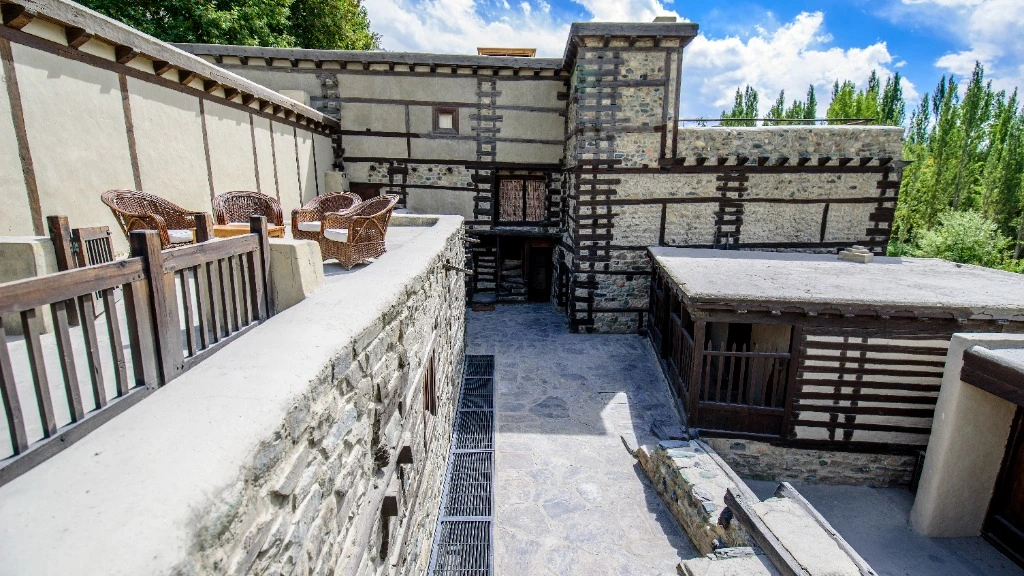
Imagine stepping into a 17th-century fortress perched on a boulder—Shigar Fort welcomes you with history, culture, and mountainous grandeur. In this guide, you’ll uncover its story, visitor tips, and why this heritage marvel deserves a spot on your Gilgit Baltistan itinerary.
What You’ll Learn
Origins & Architecture: The historical timeline—from fortress to hotel.
Visitor Info: How to get there, best time to visit, and timings.
Heritage Experience: Accommodation, cultural activities, restoration story.
Challenges & Tips: What to watch out for as a visitor.
Nearby Attractions: What else to explore in Shigar Valley?
Journey Through Time: The Legacy of Shigar Fort
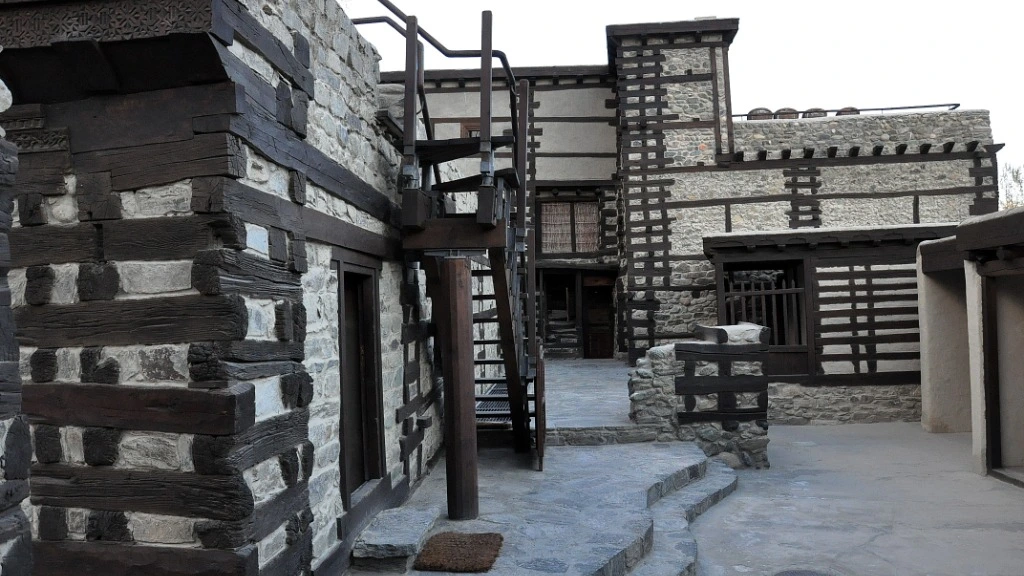
Built in the early 17th century by Raja Hasan Khan of the Amacha dynasty, the fort—locally called Fong Khar or “Palace on the Rock”—stands as a testament to centuries of Balti architecture in Shigar Valley. Rising on a massive stone outcrop, its blend of Tibetan, Mughal, and Kashmiri workmanship was crafted by skilled artisans brought in for this purpose.
Originally a defensive structure and royal residence, it fell into neglect after the dynasty declined. From 1999 to 2004, the Aga Khan Cultural Service spearheaded a $1.4 million restoration, transforming it into a museum and boutique hotel under Serena Hotels, which earned the 2006 UNESCO Asia-Pacific Heritage Award.
How to Plan Your Visit To Shigar Fort
Getting There:
Fly to Skardu International Airport (~30–45 km away).
Scenic drive through the Indus Valley and Sarfaranga (cold desert) roads.
Hire a jeep or taxi, or arrange transport through Serena — shuttle services are available.
Best Time to Visit
May to October: Mild days (9–30 °C), clear skies—ideal for photography and outdoor exploration.
Winter: Expect heavy snowfall and limited access.
Visiting Hours & Tickets
Open year-round, with entry via Serena’s heritage hotel or guided tour operators.
Hotel guests benefit from included guided tours; day visitors may need to pay entry or tour fees.
Experience Shigar Fort Heritage: Stay, Explore & Learn
Accommodations & Amenities
20 rooms and suites spread across the original Palace, Old House, and Garden House.
Historic interiors—hand-carved ceilings, antique furniture—paired with modern comforts: 24‑hour front desk, Wi‑Fi, shuttle service, lounge, laundry.
Award-winning dining featuring Balti cuisine and cherry ice cream from on-site orchards.
Heritage & Culture
Guided historical tours explain the Amacha lineage, the Mughal invasions, and the fort’s architecture.
Visit the 14th‑century Amburiq Mosque nearby—its intricate woodwork earned UNESCO recognition in 2005.
Explore local villages, handicraft markets (like Skardu’s Purana Bazaar), and nearby trekking trails.
Things to Know: Warnings & Tips
Altitude & Accessibility: Roads are narrow and rugged; motion sickness or altitude issues may arise.
Weather Variability: Even summer evenings can get chilly—pack warm layers.
Booking Essentials: Reserve accommodations and shuttle ahead, especially in peak season.
Cultural Sensitivity: Dress modestly; respect local customs during mosque visits and community tours.
Beyond the Fort: Explore Shigar Valley
Amburiq Mosque: UNESCO‑listed with remarkable woodcarving.
Deosai National Park: “Land of Giants”—flora, fauna, and vast plateaus.
Shigar Rock & Local Villages: Ideal for short hikes and cultural immersion.
Skardu Excursions: Visit Satpara Lake, Khaplu Fort, and Upper Indus. Routes to K2 Base Camp pass through this region.
Why Shigar Fort Deserves Your Visit
Authentic heritage: Not just a photo, but living history preserved through expert restoration.
Scenic backdrop: Fort walls phase into rugged Karakoram peaks.
Balanced experience: Heritage + comfort + adventure = a memorable visit.
Support sustainable tourism: Your stay sustains cultural conservation efforts.
Conclusion: Embrace the Living Legend
Shigar Fort isn’t only a historical marvel—it’s a thriving center where past and present converge. From its castle-like architecture to serene lounges under mountain skies, it offers both introspection and adventure. Whether you’re a tourist, explorer, researcher, or a foreign or national visitor, Shigar Fort promises a unique, unforgettable journey.
Call to Action: Have you visited Shigar Fort or Amburiq Mosque? Drop a comment below to share your experience or ask questions, and don’t forget to share this guide with fellow explorers!